How Play Sparks Ideas: Why Creativity is the Secret Weapon in Video Production
Creativity is often misunderstood in corporate environments.
It is seen as something soft. Something artistic. Something that belongs in studios and pottery classes, not boardrooms and broadcast control rooms.
I disagree. And I have my mum to thank for that.
Growing Up With Clay, Colour and “Happy Accidents”
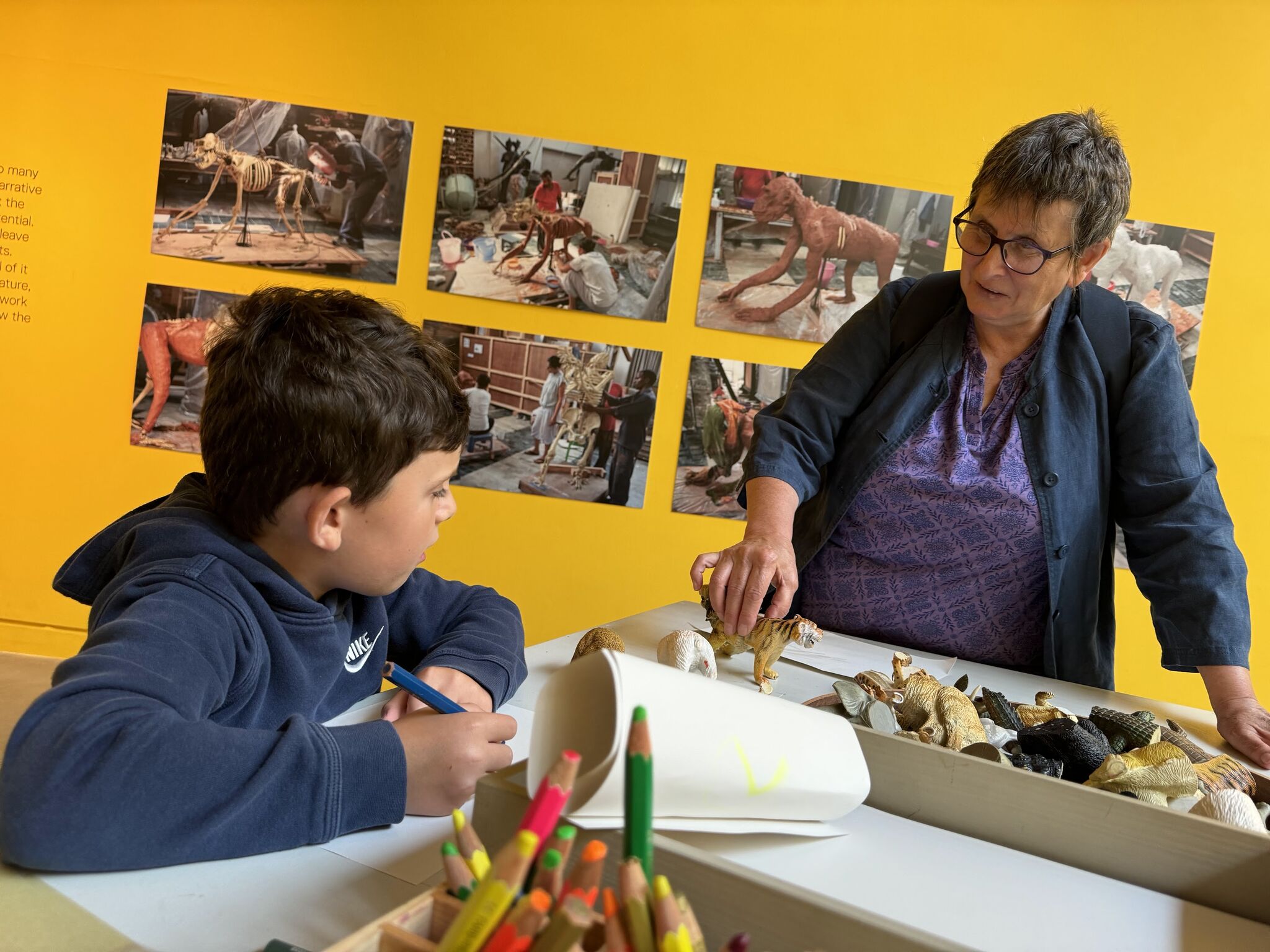
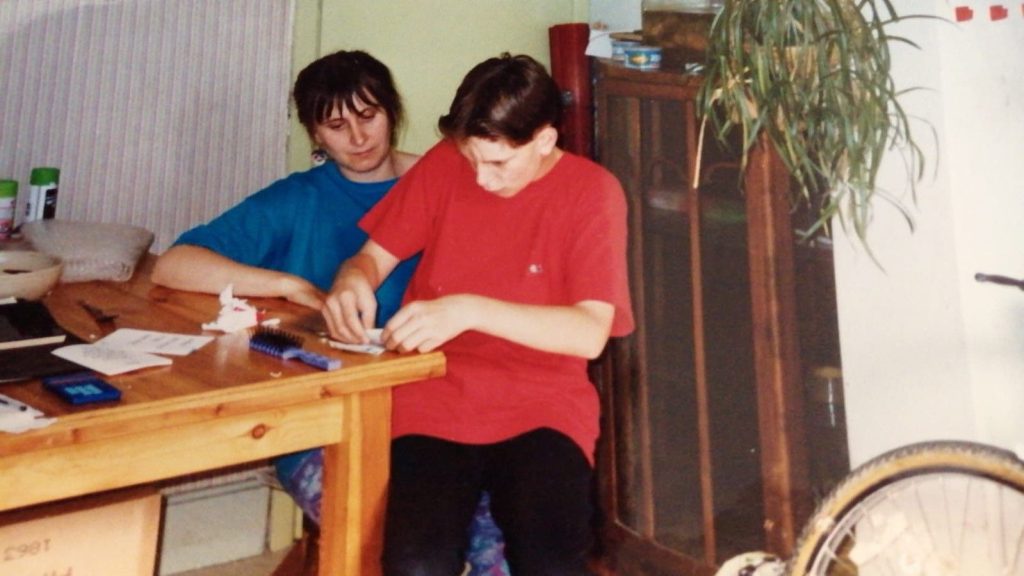
Before she retired, my mum was an Art Coordinator and Teacher. To this day, she is an avid potter. Growing up, our home was full of clay-covered aprons, vibrant colours, overflowing sketchbooks, and a constant, glorious sense of play.
She radiates creativity. Not in a loud or showy way, but with a quiet confidence that experimentation is always worthwhile. She encouraged me to try things without worrying about getting them right. To explore. To see the beauty in what she called “happy accidents.”
It was never about the perfect outcome.
It was about the process. And the fun of getting there.
Now she is passing that same spirit on to my son, sharing her love of making and playing with him just as she did with me. Watching the two of them together is one of my favourite things. It is also a reminder that creativity is not a skill you clock in and out of. It is a way of thinking. A legacy. Something that travels quietly through the generations and shapes how we approach problems long after we have grown up.
I carry her influence into every project I work on. More than any piece of equipment or technical training, it is the thing that has shaped how I see my work.
The Corporate Craft Table Test
A few years ago, I attended a corporate event that brought this lesson into sharp focus.
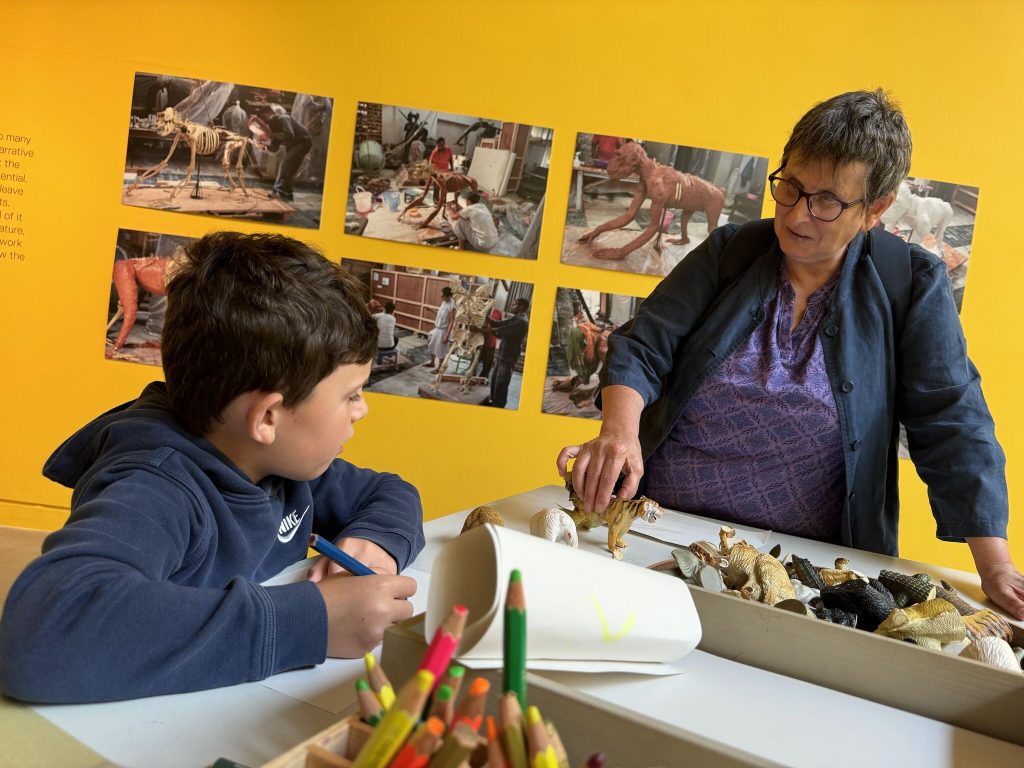
When guests arrived and found their seats, the centre of every round table was covered in arts and crafts supplies. Pipe cleaners, paper, pens, fluffy balls, scattered across what was otherwise a very polished, professional venue. No instructions. No explanation. Just colourful materials waiting to be touched.
You could feel the hesitation in the room.
People glanced around, quietly asking each other with their eyes: are we allowed to touch these? Is this a mistake? What are we supposed to do?
I did not hesitate. My mum’s voice was already in my head. Play with it. See what happens.
So I picked up a handful of pipe cleaners and started making shapes.
As it turned out, that was precisely the point. The organisers were not testing anyone’s artistic ability. They were testing mindset. Who was willing to experiment? Who would step outside the invisible boundaries of what felt appropriate in a corporate setting? Who was comfortable enough in their own curiosity to just try something?
That moment has stayed with me ever since.
Because that exact willingness, to pick up the pipe cleaners when everyone else is waiting for permission, is what separates average video production from genuinely exceptional storytelling.
What Play Has to Do With Live Broadcasting
When most people think about video production and live broadcasting, they think about the kit. Cameras. Vision mixers. Encoders. Lighting rigs. The technical infrastructure that makes a broadcast actually work.
All of that matters enormously. I am not dismissing it.
But equipment does not make a broadcast resonate. Creativity does.
Creativity in production is asking:
- What is the real story here?
- How should this moment feel to the people watching?
- What perspective will draw the audience in rather than just inform them?
- What happens if we try it a different way?
It might be experimenting with a camera angle that feels more intimate than the obvious choice. It might be rethinking how a live panel discussion is framed so it feels like a conversation rather than a presentation. It might be adapting on the spot when something changes thirty seconds before going live and finding a better solution than the one you had planned.
The most effective ideas rarely come from rigidly following a script. They come from staying curious and being open enough to explore.
Play is not about being childish. It is about being willing to ask “what if?” and meaning it.
My Path Through The Arts
My career began with a genuine love of the arts, long before I understood that it was shaping a career at all.
While still at school, I worked behind the scenes on productions, learning early that there is an entire world of craft and decision-making happening just out of sight of the audience. In 1996, I worked on a community play called The Heart Shaped Field, produced and directed by Rachel Feldberg. At the time, I could not have told you exactly what it gave me. Looking back, it gave me everything: an instinct for storytelling, a feel for what a live moment needs, and a respect for the collaborative effort that makes something on a stage or a screen actually land.
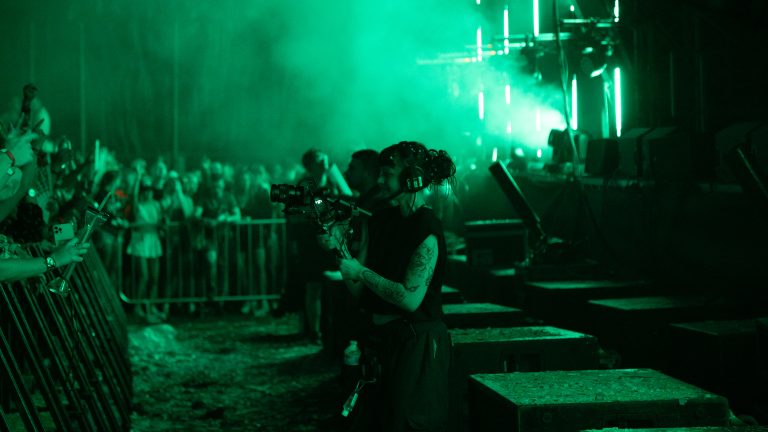
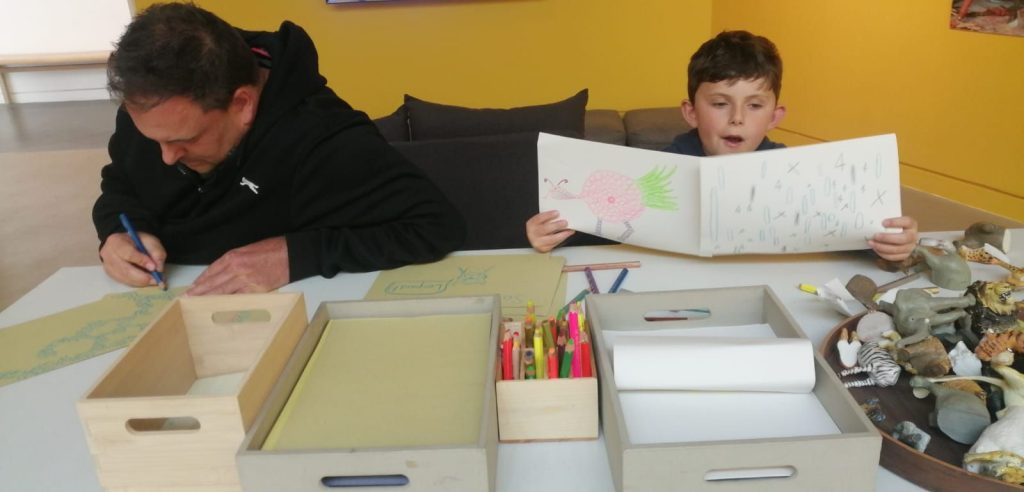
Since then, I have been fortunate to work as a broadcast partner on some of the UK’s most significant arts events. The Coventry City of Culture Trust opening events. Collaborations with the Royal Shakespeare Company. GALWAD for the National Theatre of Wales. Atmospheric candlelit concerts with the Royal Northern Sinfonia and even Eurovision.
These are not environments where you can simply point a camera and press record.
You cannot just cover those moments.
You have to interpret them. You have to feel what they are trying to do and find a way to translate that for an audience who may be watching from hundreds of miles away. You have to be technically precise and creatively sensitive at the same time.
And sometimes, the right approach only reveals itself once you have played with the possibilities for a while.
Why This Matters in Corporate Communication
It might be tempting to think that the lessons from arts broadcasting do not apply to corporate work. That internal communications, leadership broadcasts, and company-wide live events are a different discipline, more functional and less creative.
I would push back on that.
Corporate communication often carries the highest stakes of all. Global audiences. Multiple sites watching simultaneously. Leadership messages that need to land with clarity and conviction. Events designed to build trust, alignment, and culture across an entire organisation.
When the stakes are that high, it is easy to default to safe.
Safe framing. Safe lighting. Safe scripting. Safe choices all the way through.
But safe rarely inspires. And there is something else that safe communication almost always gets wrong, and that is the assumption that communication only needs to flow in one direction.
The most powerful internal communications are not broadcasts. They are conversations.
When you give your people the chance to ask questions, the real ones, the difficult ones, the ones leadership might find uncomfortable, something shifts. People stop being an audience and start being part of a community. They feel heard. They feel included. And crucially, those questions often tell you more about the health of your organisation than any survey or town hall metric ever could.
Circular communication is not a nice-to-have. It is the thing that turns a polished leadership message into something people actually trust.
The organisations that genuinely connect with their people understand this. Storytelling requires creativity, yes. But it also requires the courage to listen. To open the floor. To resist the urge to script every moment and instead leave room for the unexpected, the honest, the human.
The same mindset that made me pick up those pipe cleaners, that openness and refusal to wait for permission, is what I bring to every brief. Because whether it is a global all-hands or a flagship arts event, the goal is never just to deliver content. It is to create something people feel part of.
Carrying It Forward
I carry my mum’s love of play into every production I work on.
Whether I am behind a camera, in a control room, helping to structure a live broadcast, or working out how to solve a problem that nobody anticipated, I try to approach the work with curiosity first. To ask what this moment could be, not just what it needs to be.
Creativity is not reserved for artists or potters.
It belongs in studios, in broadcast trucks, in corporate headquarters, in theatres, and in boardrooms. It belongs wherever there is a story that deserves to be told well, and in my experience, that is everywhere.
And sometimes, all it takes to unlock the best idea in the room is the courage to just pick up the pipe cleaners. Explore our LEGO Education StoryStarter film for a project about playful learning, and our Coventry Moves livestream for creativity translated into live coverage. For the wider planning approach, read about starting with the audience’s real needs. Our book trailers for The Rhyme of King Harold show another creative route into a subject, using performed verse and character to introduce a historical story on screen.