There is a funny thing that happens when a broadcast goes really well.
Nobody talks about the production.
They talk about how it felt. The atmosphere. The story. The moment that caught them off guard and stayed with them on the drive home. Nobody sits back and says “that was a beautifully timed cut” or “the audio mix on that was exceptional.” They just felt it. And that is exactly the point.
That is the invisible work. And I think it is worth talking about.
I have spent my career in and around live production, from school plays and community theatre to major arts events and corporate broadcasts. And the one thing that has never changed, regardless of the scale or the budget, is this: the best work disappears into the experience. It does not call attention to itself. It simply makes everything feel natural and effortless.
This article is a celebration of that work. What it actually involves, why it matters, and why understanding it might just change how you think about the broadcasts and live events you watch and commission.
What Invisible Work Really Means
Invisible work is everything that goes into making a broadcast feel seamless.
It is the preparation that started weeks before the event. The rehearsal on a Tuesday afternoon that ironed out a timing issue nobody would ever know was there. The contingency plan that never needed to be used but would have saved the day if it had. The quiet routing change made mid-broadcast because a sharp-eyed engineer spotted something before it could become a problem.
When a live show or a corporate broadcast flows beautifully from one moment to the next, it feels natural. And that feeling of naturalness is the whole goal. It is not accidental. It is the result of hundreds of considered decisions made by a team of people who care deeply about the outcome.
Understanding that does not demystify the magic. If anything, it makes it more impressive.
The Work Before the Cameras Roll
Pre-production is where a broadcast is really made.
By the time a team goes live, the best productions have already been lived through several times on paper. Run sheets have been written and refined.
Shot lists have been discussed and adjusted. Contingency plans have been built for the scenarios nobody wants to think about but everyone needs to have thought about.
I remember working on a large-scale live event with three separate locations feeding into a central production hub. From the audience’s perspective it looked seamless. What happened behind the scenes was that during rehearsal we discovered a connectivity issue at one of the locations with about 40-minutes to go before we went live.
The backup had kicked in, but the team problem-solved quickly, calmly, and efficiently. We fixed the primary feed. The show went ahead without a hitch.
That kind of preparation and adaptability is what pre-production makes possible. It is not about expecting things to go wrong. It is about being ready to respond brilliantly if they do.
What Happens in the Control Room
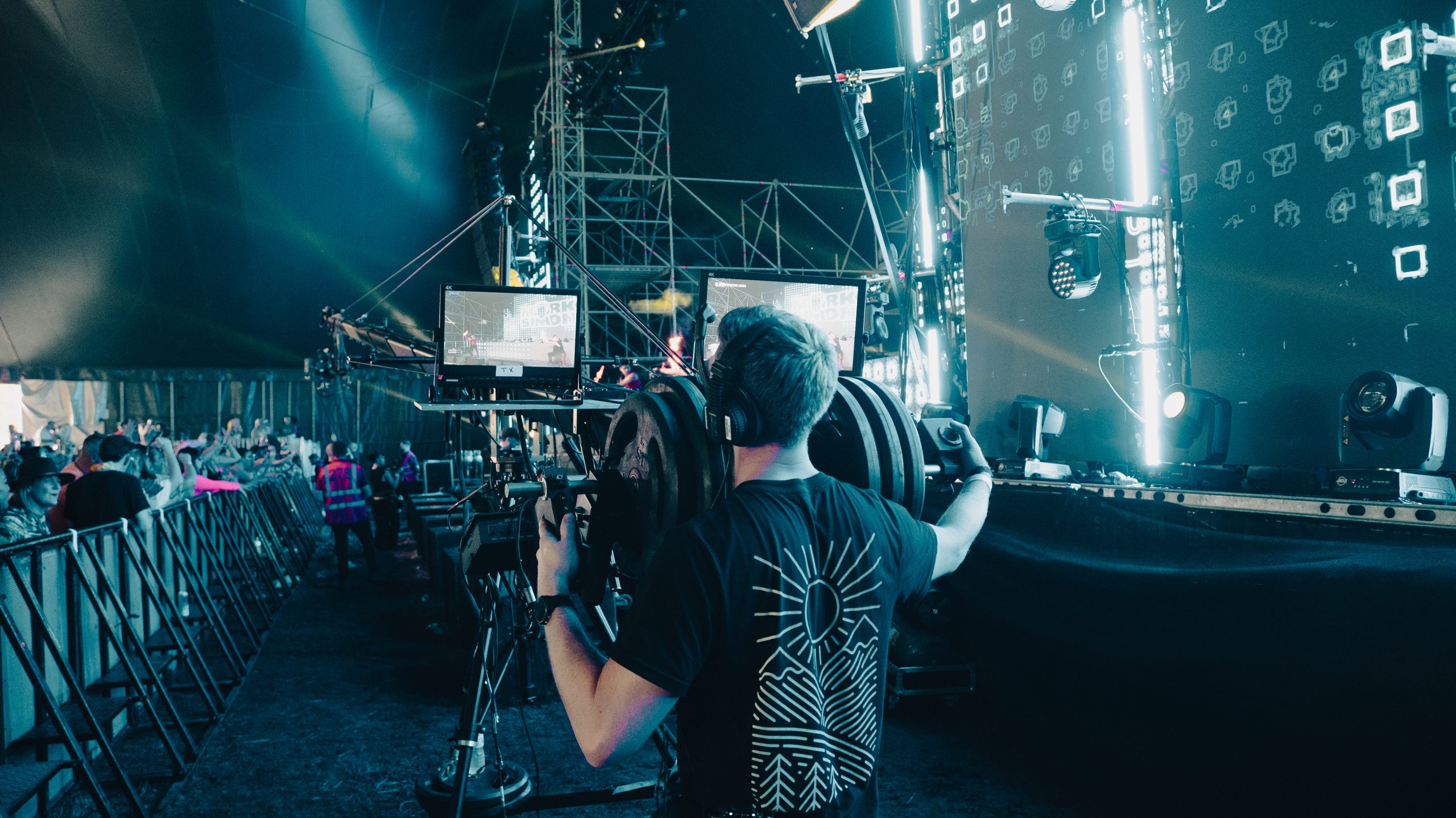
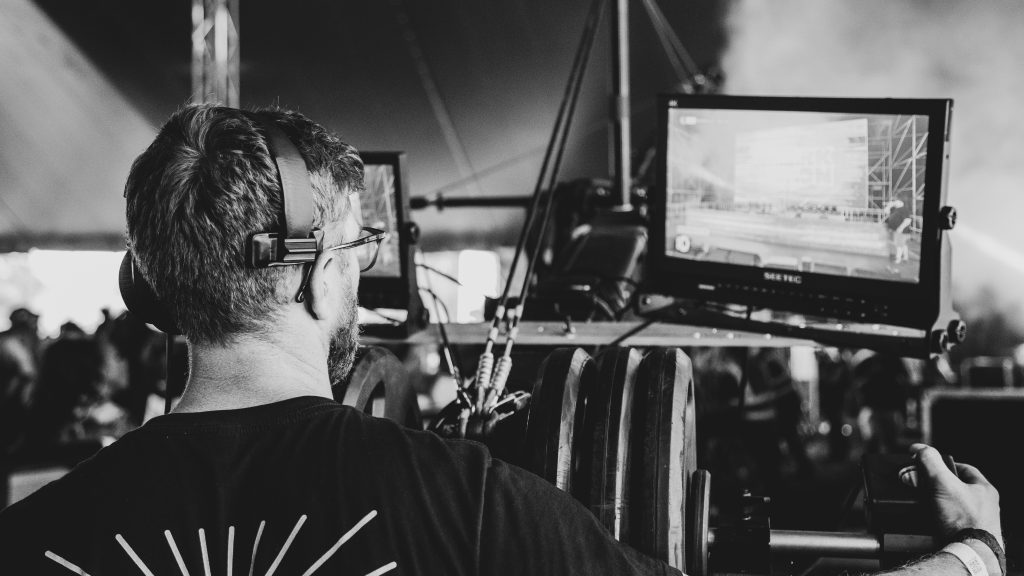
The control room is the creative and technical heart of any live broadcast, and it is one of the most energising collaborative environments I know.
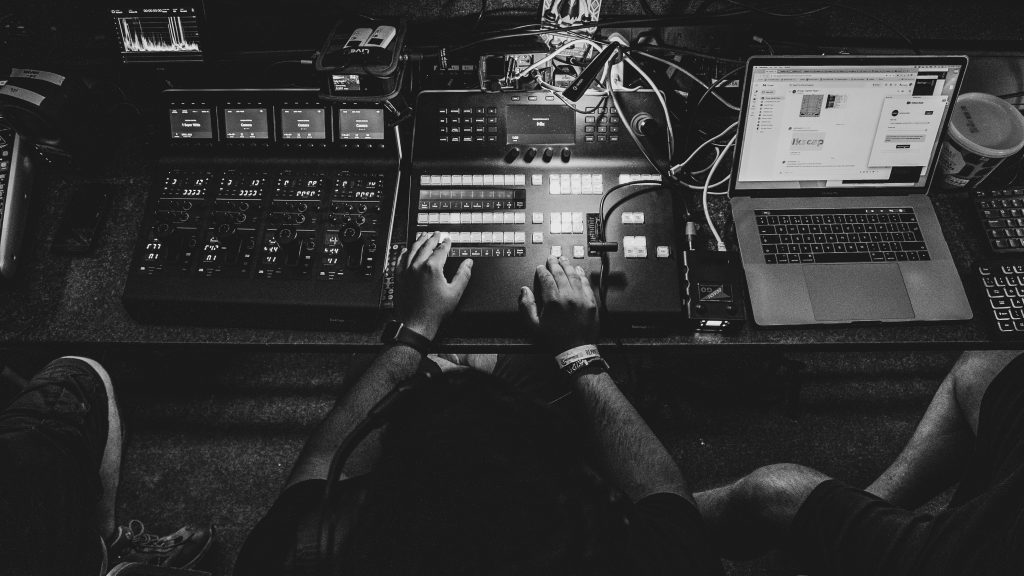
The director watches multiple feeds at once, calling shots and guiding the story in real time. The vision mixer (sometimes also the director) cuts between cameras with timing that has to feel completely instinctive. The audio engineer balances dialogue, atmosphere, and music so that the viewer is drawn into the moment rather than distracted by it. Producers track the running order and adjust when something shifts. Technical specialists keep a close eye on signal integrity, encoding, and delivery.
All of this happens simultaneously, with calm focus, because everyone in the room knows their role and trusts the people around them.
The result, when it all comes together, is the person watching at home or in the conference hall simply feels present. That sense of presence is something a great production team builds deliberately, with skill and care, every single time.
Storytelling Built on Strong Foundations
A broadcast lands emotionally when everything underneath it is working in harmony.
Camera language, timing, audio, lighting, graphics, pacing, performance. When those elements are aligned, the story feels effortless. When even one of them is slightly off, something feels not quite right, even if the viewer cannot put their finger on why.
This is something I think about a great deal when working on arts broadcasts. Capturing a Royal Shakespeare Company production or a candlelit concert by the Royal Northern Sinfonia is not simply a technical exercise. The goal is to translate something live and visceral into a screen experience that genuinely honours what is happening in the room. Every camera position, every cut, every audio decision has to serve the story first.
When that works, the production becomes invisible. And that invisibility is the highest compliment a production team can receive.
The Paradox of Great Work
Here is something worth understanding about invisible work. When it goes well, it leaves no trace. When something goes wrong, it becomes immediately apparent.
An audio cue half a second late. A feed that stutters. A cut that feels slightly mistimed. These things stand out because they interrupt the flow that the audience had settled into. The smoother the production up to that point, the more any disruption is felt.
This is not a reason to be anxious about live production. It is a reason to invest properly in the preparation, the rehearsal, and the team behind it. When the foundations are solid, the whole thing holds together beautifully, even when the unexpected happens.
And in live production, the unexpected always happens at some point. The teams that handle it best are the ones that prepared for it most thoughtfully.
The Human Side of It
It would be easy to think of invisible work as a purely technical discipline. But some of the most important work that goes into a great live stream is deeply human.
Anticipating what a presenter needs before they know they need it. Reading the energy in a room and adjusting accordingly. Keeping a team steady and focused when something unexpected happens moments before going live. Knowing when to stick to the plan and when to trust your instincts and adapt.
This is the craft that comes from experience and from genuine investment in the outcome. It is also why the relationships between production teams matter so much. When people trust each other, they communicate better, make faster decisions, and deliver stronger results.
Great broadcasts are a team achievement, always.
Why This Matters for Organisations
For anyone commissioning or planning a live broadcast or event, understanding the invisible work changes the conversation.
It shifts the focus from “what will it look like on the day” to “how do we set this up to succeed.” It opens up questions about preparation time, rehearsal, technical infrastructure, and the experience of the team involved.
The organisations that consistently deliver compelling communication, whether to their own people or to the wider world, are usually the ones that value and invest in this foundation. The planning, the testing, the iteration, and the honest reflection afterwards.
It is not glamorous. It does not show up on a highlights reel. But it is the difference between a broadcast that people forget and one they carry with them.
A Craft Worth Celebrating
In my opinion, the best productions feel effortless because the people behind them had the skill, the experience, and the dedication to make them that way.
That is what invisible work really is. It is about putting the story and the audience first, every single time, and taking genuine pride in the craft of doing that well.
I find that genuinely inspiring about this industry. The goal is never to be noticed for the production itself. The goal is to create something that moves people, connects people, and stays with them.
And when that happens, everyone involved knows they played their part in it. That is more than enough. See the production decisions behind our GALWAD broadcast for Sky Arts and company town halls for global teams. Our article on preparing to go live explores how that work builds confidence before transmission.