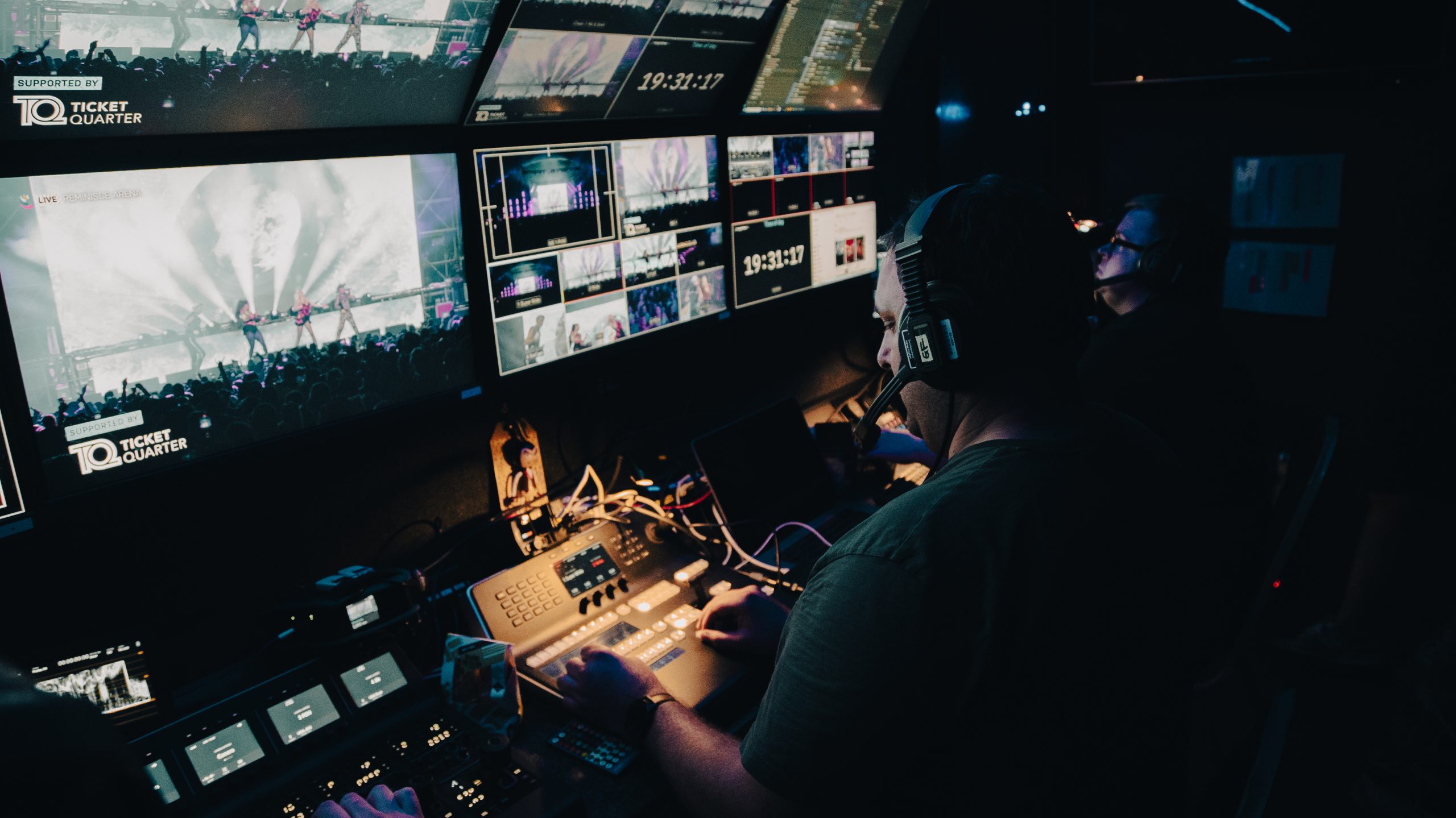
There is a second, just before a broadcast begins, that I find almost impossible to describe to someone who has never experienced it.
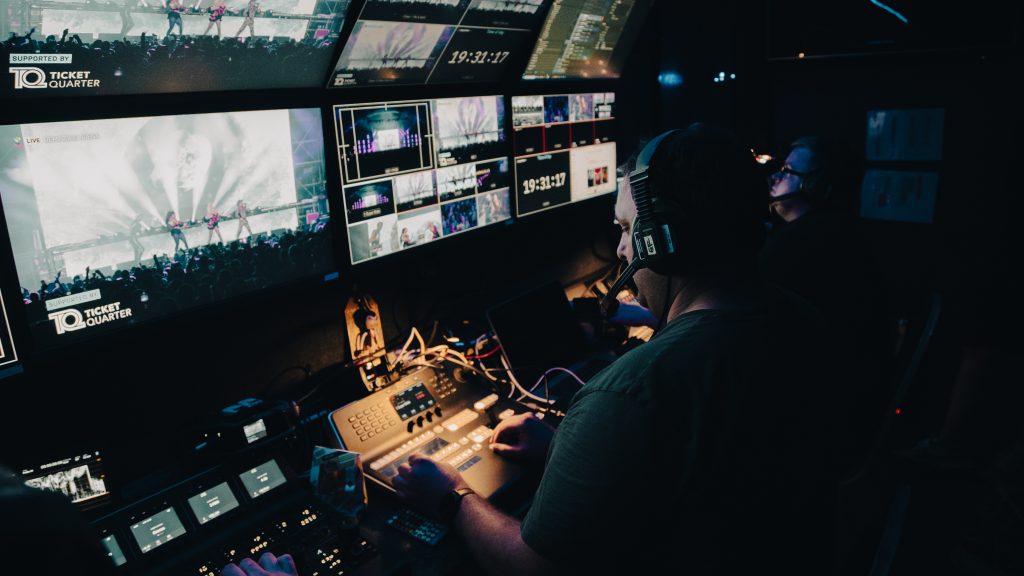
The control room is quiet. Not silent exactly, but held. Screens are live, fingers are poised, eyes are moving between sources. Everyone in the room knows what they are doing and why. The countdown is running. And then, in that last breath before the programme begins, everything that has happened in the weeks and days and hours before this moment either holds together or it does not.
I have stood in that room more times than I can count, working across everything from major arts events to corporate broadcasts for organisations with audiences spread across multiple sites and time zones. And every time, that moment before going live tells you something true about the production you have built.
This article is about that moment. What it means, what creates it, and what organisations commissioning live broadcast work should understand about the preparation that makes it feel like focus rather than fear.
What “Going Live” Actually Means
In live broadcasting, going live means the programme begins transmitting to its audience in real time. Whether it is a corporate town hall streamed to hundreds of remote employees or a multi-camera event broadcast to audiences across the UK and Europe, there is a control room where everything comes together.
In broadcast, that space is often called the gallery. It is where technical precision and creative judgement combine to shape what the audience actually sees and hears.
For the people in the room, the moment before going live is the culmination of everything. For the audience, it is invisible. They simply see a broadcast begin.
That gap, between what the audience experiences and what went into creating it, is where the real work lives.
Why That Moment Feels So Significant
Live production is unforgiving in a way that almost nothing else is. There are no second takes. No reshoots. No quietly fixing something before anyone notices.
When a broadcast goes live, every decision ripples out instantly to the audience. A technical issue, a misplaced graphic, a missed cue, all of it becomes visible in real time. This is precisely why the moment before going live carries such weight. It is the point where months of preparation meets the reality of live performance.
But here is what experienced production teams understand that others often do not. That moment does not have to feel like pressure. With the right preparation, it feels like readiness.
Pressure and readiness are very different things. Pressure is what you feel when you are not sure. Readiness is what you feel when you are.
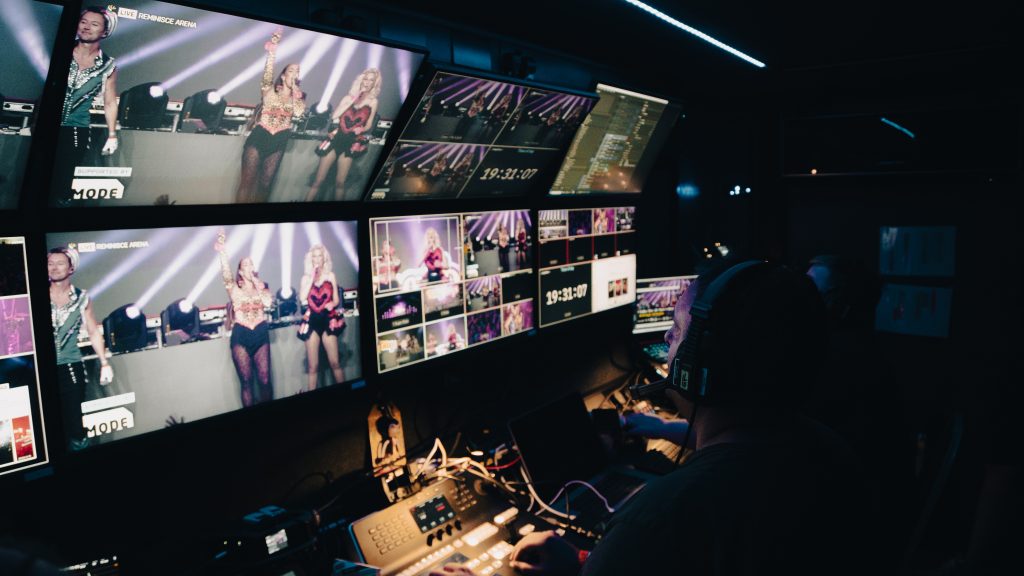
The Four Things That Create Calm in a Control Room
Over the years I have come to think of broadcast preparation as resting on four foundations. Get these right and the moment before going live becomes a point of focus. Get them wrong and it becomes a point of anxiety.
Planning the flow
Before anything goes live there is a detailed production plan. Script, shot lists, camera positions, timings, graphic cues, contingencies. Planning removes guesswork. It gives everyone a shared playbook.
Crucially, it also helps the team understand the why behind every decision. When people understand the purpose of a cue or a shot, they are far better placed to adapt if something changes on the day. And in live production, something always changes on the day.
For internal communications teams, a detailed run of show serves the same function. It aligns stakeholders around the shape and intention of the broadcast before anyone is in the room.
Rehearsals and technical checks
Rehearsals are where the plan meets reality. They reveal things you would never spot on paper. A presenter instinctively talking to the wrong camera. An audio level that sits just too high. A graphic that obscures a speaker’s name at exactly the wrong moment.
At oXyFire Media we treat rehearsals as non-negotiable. We check equipment setup, audio levels, microphone placement, camera positions, lighting consistency, and the communication channels between crew members. We also test every backup. Professional broadcast setups carry redundancies as standard. Spare cables, alternate network paths, duplicate hardware. These are not luxuries. They are the difference between a minor issue and a broadcast-ending one.
For organisations running internal communications events, this level of rehearsal mirrors the dress rehearsal principle. It is the thing that lets your presenters walk into the room feeling confident rather than anxious.
Clear communication structures
In the control room, everyone is talking to someone. The director to the technical director. The audio engineer to the vision mixer. The producer to the on-screen talent. Good communication in this environment is about reducing ambiguity. Cues, signals, and language are standardised so that under pressure, everyone knows exactly what is being asked of them.
For organisations working with external production partners, this means shared terminology and agreed cues before the day. It is why alignment meetings with all stakeholders present are a standard part of how we approach any broadcast, however straightforward it might seem.
Trust in the team
Preparation is rigorous because trust depends on it. In the gallery there is no room for doubt about the person next to you. There has to be confidence that when a cue comes, the response will be right.
That trust is not given. It is built through practice, shared experience, and a culture where people feel accountable to each other. When a team genuinely trusts one another, that moment before going live shifts from collective anxiety into collective readiness.
The Human Side of Live Production
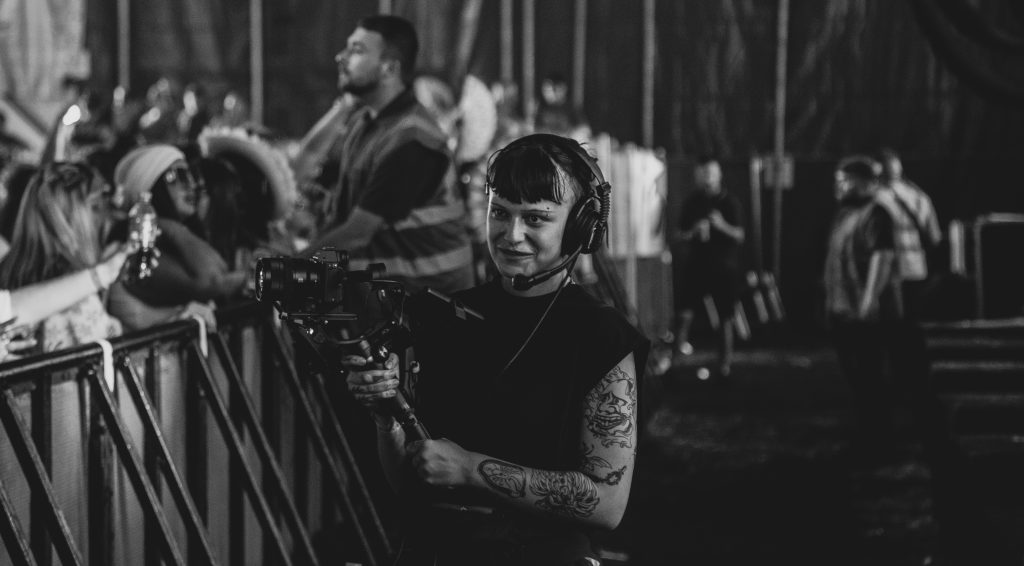
It might seem odd to talk about the human side in a context full of screens and technical infrastructure. But live video production is fundamentally about people.
Technology can be flawless and a broadcast can still fall flat if the human judgement is not there. There are moments that no system can predict. A speaker’s unscripted remark that lands perfectly. A sudden change in the running order that needs someone to adapt in real time. An unexpected emotional response from an audience that shifts the energy of the room.
The production teams I respect most have developed certain qualities that go beyond technical skill. Calmness under pressure. Decisive thinking. Genuine empathy for the presenters they are supporting and the audiences they are serving. Situational awareness that lets them read a room, a feed, or a conversation and know instinctively what to do next.
These qualities are developed through repeated exposure to live scenarios and through a mindset that treats pressure as a signal that something important is happening, rather than a threat to be survived.
What Those Final Seconds Actually Look Like
From a technical standpoint, the final moments before going live are precise and choreographed. A countdown from the production assistant. Final cues from the director. The crew shifting from preparation mode into execution mode.
At oXyFire we often talk about the breath before the dive. That half second where everything is held in balance. In that instant, the planning, the rehearsals, the checks, and the conversations all coalesce into a single shared focus.
For internal communications leaders, that moment has its own equivalent. It is the pause before you press go on an all-company broadcast. The breath before you step in front of a camera to address your entire organisation. It is the moment that defines whether the message lands.
What determines how that moment feels is almost entirely what happened before it.
What Organisations With Multiple Sites Need to Understand
For larger organisations running internal communications broadcasts across multiple locations, the complexity increases significantly. You are not just managing one room. You are managing feeds, presenters, audiences, and technical infrastructure across sites that may span different countries and time zones.
This is where the principles of broadcast preparation become genuinely strategic rather than just operational.
The organisations that handle this well share a few common approaches.
They treat preparation as strategic alignment, not just logistics. Before the event, they are aligning goals, clarifying messages, and making sure every stakeholder understands not just what is happening but why. The run of show is not just a technical document. It is a shared understanding of intent.
They invest in rehearsal for their presenters, not just their technical teams. When senior leaders are comfortable with the format, the cues, and the flow, they deliver with more confidence. Audiences feel that confidence. It is one of the most underestimated factors in whether a broadcast lands or falls flat.
They build in contingencies and they talk about them openly. Having a plan B is not defeatist. It is professional. When everyone knows what happens if a feed drops or a presenter is delayed, there is no panic. There is just a calm, practised response.
And they debrief honestly afterwards. The broadcasts that improve over time are the ones where teams take the time to reflect on what worked and what did not, and carry those lessons forward.
Calm Under Pressure is a Skill, Not a Personality Trait
One of the biggest misconceptions about live production is that some people are simply built for it. That certain individuals have a natural gift for staying calm when everything is happening at once.
In my experience, that is largely not true. Calm under pressure is a learned skill. It comes from repeated practice, honest reflection, and disciplined preparation. It comes from having been in difficult situations before and knowing you found a way through.
We see this every time we work with presenters or support internal communications teams through a broadcast. Nervousness does not disappear. But it becomes manageable. It gets channelled into focus rather than distraction. And the result is a delivery that looks effortless precisely because the preparation underneath it was anything but.
The same principle applies within organisations. The value is not in finding people who are naturally calm. The value is in building the conditions that allow people to perform with confidence. Method over magic, every time.
Practical Steps for Your Next Live Broadcast
If you are planning a live broadcast, whether you are working with an external production partner or building an internal capability, here are the things that make the most tangible difference.
- Set clear objectives before anything else. Know what you want the audience to take away. This shapes the entire broadcast and removes ambiguity during the event itself.
- Build a detailed run of show. Include timings, cues, who is on mic when, what is on screen at each moment, and contingency notes for the scenarios most likely to arise.
- Test your technology early and often. Confirm internet stability, audio clarity, visual quality, and access permissions across every site involved. Treat this as non-negotiable, not something to squeeze in the day before.
- Run full rehearsals with everyone in the room, including your presenters. Rehearsals are not a nicety. They are where hidden issues surface and confidence is built.
- Establish simple, agreed communication. Whether it is headsets with standardised language or hand signals for on-site cues, everyone involved needs to know what is being asked of them without having to think about it.
- And after the broadcast, debrief properly. Not just a quick wash-up conversation, but a genuine and deep review of what worked, what did not, and what you will do differently. This is the foundation of every broadcast that gets better over time.
Why Preparation Buys Freedom
I keep coming back to this idea because it is the one that I think matters most.
Preparation is about creating the conditions in which creativity or spontaneity can happen. When the technical foundations are solid and the team is aligned, there is room to respond to the unexpected, to lean into a moment, to let the broadcast breathe.
When the foundations are shaky, all of that creative energy goes into managing anxiety instead.
That moment before going live, that quiet, held breath in the control room, is sacred to anyone who has experienced it. It is when a team locks in together and releases everything they have prepared into the world.
For your next broadcast, think of that moment as the point your preparation was building towards. Not a threshold to survive, but a launchpad.
When the count reaches zero, you will not just go live. You will be ready. Our DP World hybrid town hall shows this preparation in an office environment. For more on the practical details, read our guide to live streaming from offices and unusual venues.