Ghosts in the Ruins
Ghosts in the Ruins was nominated at the Royal Television Society Midlands Awards in the Factual and Specialist Factual category. oXyFire Media was proud to contribute the performance coverage for BBC Four as part of the wider project team.
Two spaces, one uninterrupted performance
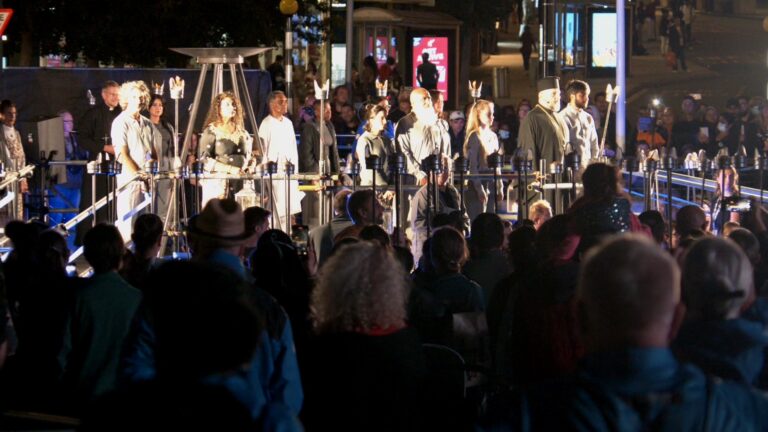
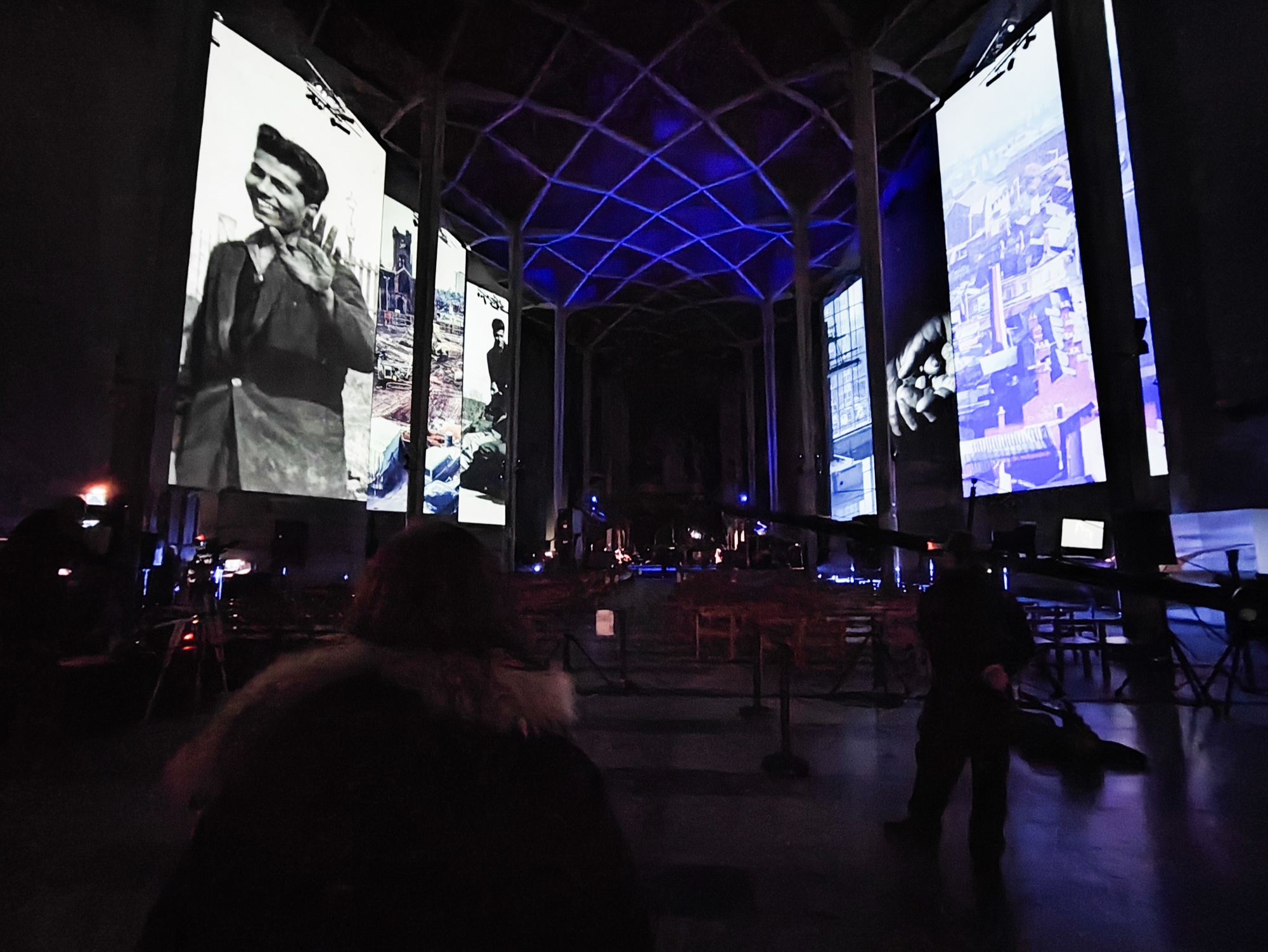
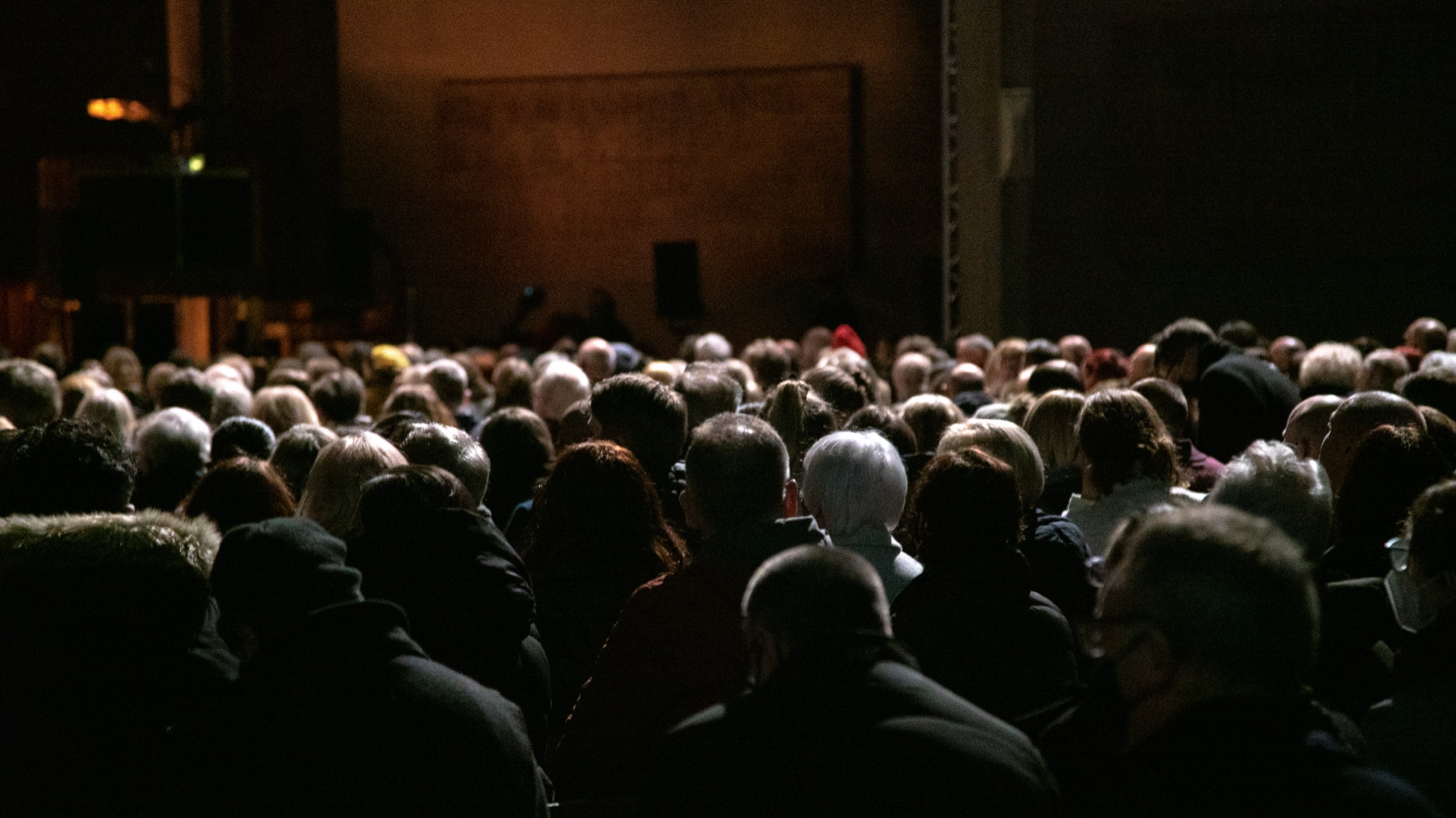
Ghosts in the Ruins brought together a live audience, singers, musicians, poetry and archive imagery across Coventry Cathedral and its ruins. The broadcast brief was to preserve the atmosphere and meaning of the performance while giving television viewers a clear and emotionally connected journey.
Our coverage carried the scale, intimacy and history of both spaces to audiences at home while protecting the live experience.
A flexible broadcast workflow built for the story
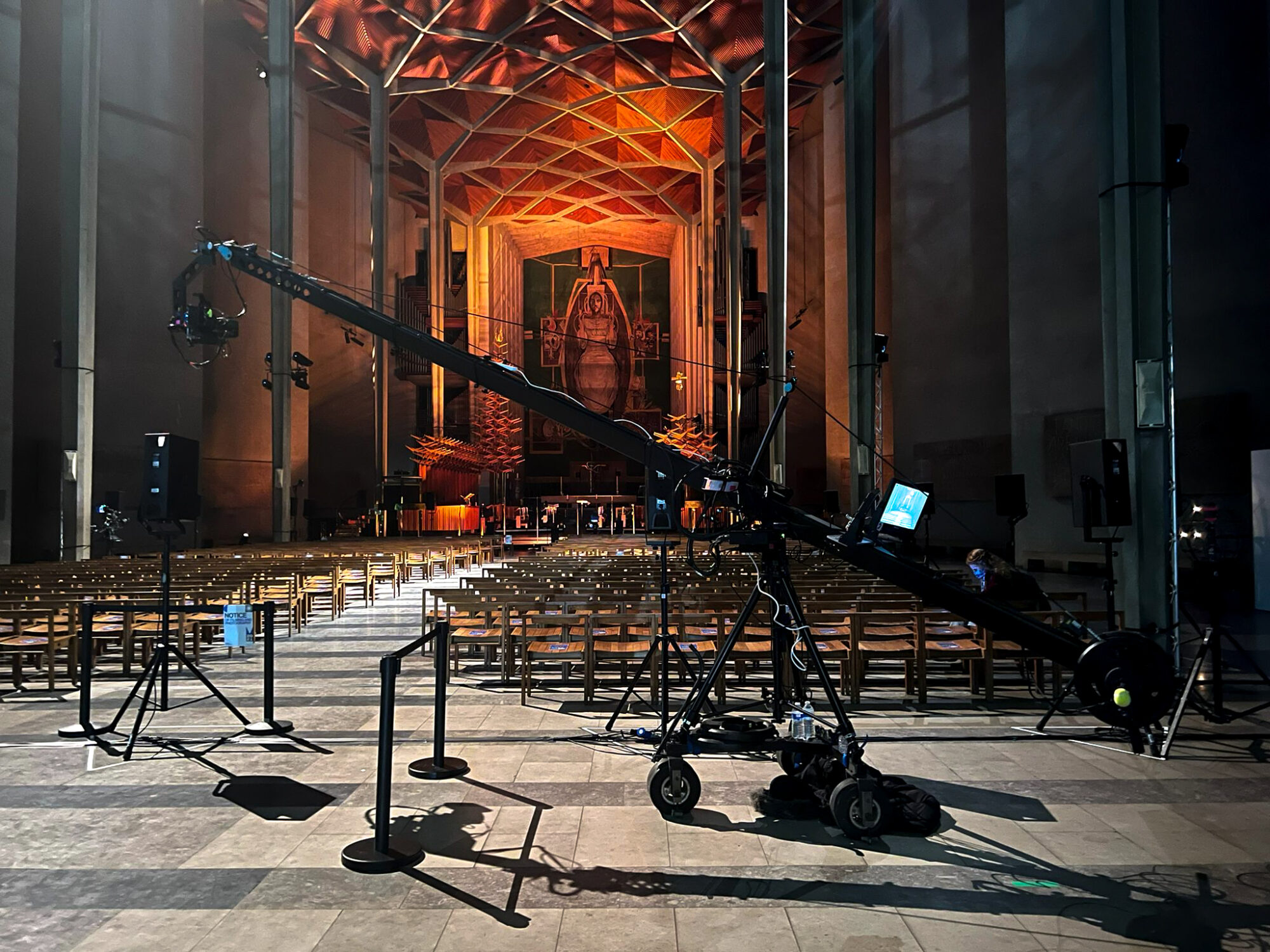
oXyFire Media developed one flexible broadcast workflow that followed the performance from the modern Cathedral into the ruins. Camera coverage, sound, communications and recording operated as one joined production, allowing the system to change location with the story.
Teams from across the regions delivered a production shaped around the performance. Every technical decision supported the story, the performers and the audience.
In numbers
Live performance broadcast built around place and memory
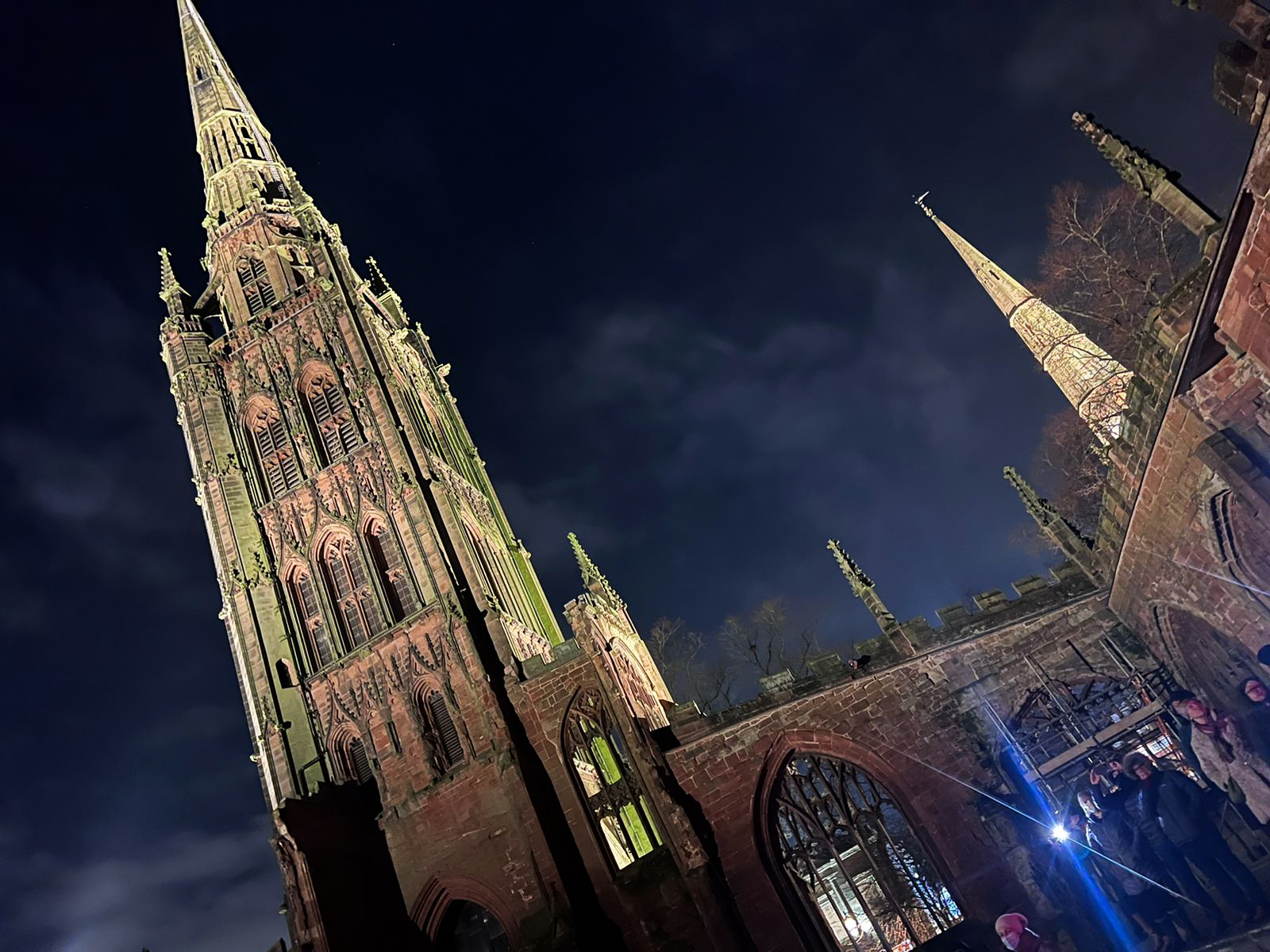
Before the broadcast plan began, the production had to understand the meaning of the place. Coventry Cathedral is both a working modern building and a living reminder of a city rebuilt after war. That history shaped the tone, pace and visual language of every camera decision.
Nitin Sawhney’s music sat alongside poetry by local writers, archive imagery and the voices of singers from across Coventry. The camera plan carried that journey to television viewers while preserving the character of the live performance.
Camera positions, movement and lens choices were designed around the performers, the architecture and the audience. The broadcast revealed intimate details while preserving the scale of the live experience.
Thirty minutes to move the whole production
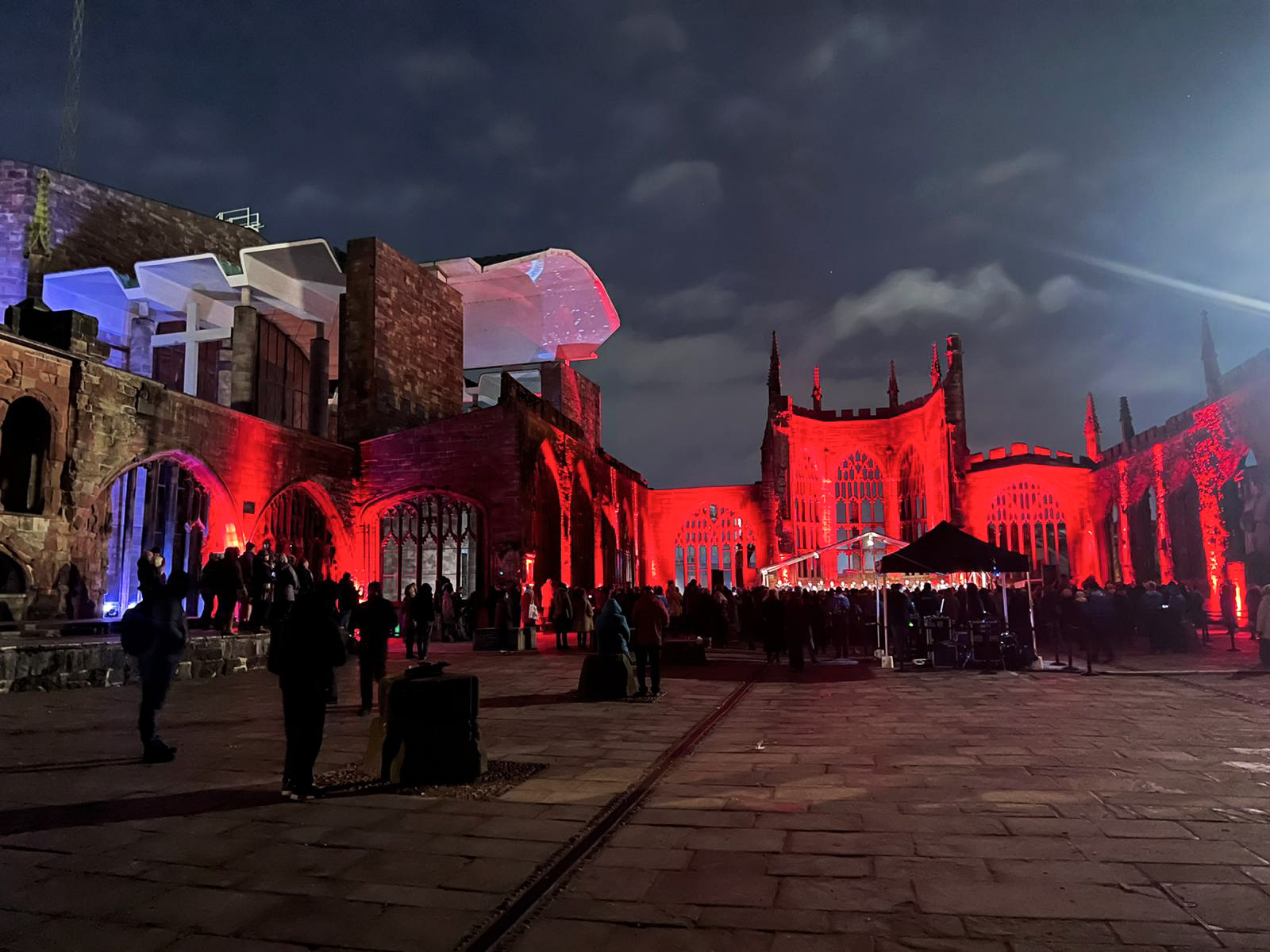
The audience had around thirty minutes to leave the new Cathedral and gather in the ruins. Behind them, the production was changing shape at the same time. Camera crews, jibs, sound, communications and control systems all had to be ready for a very different second half.
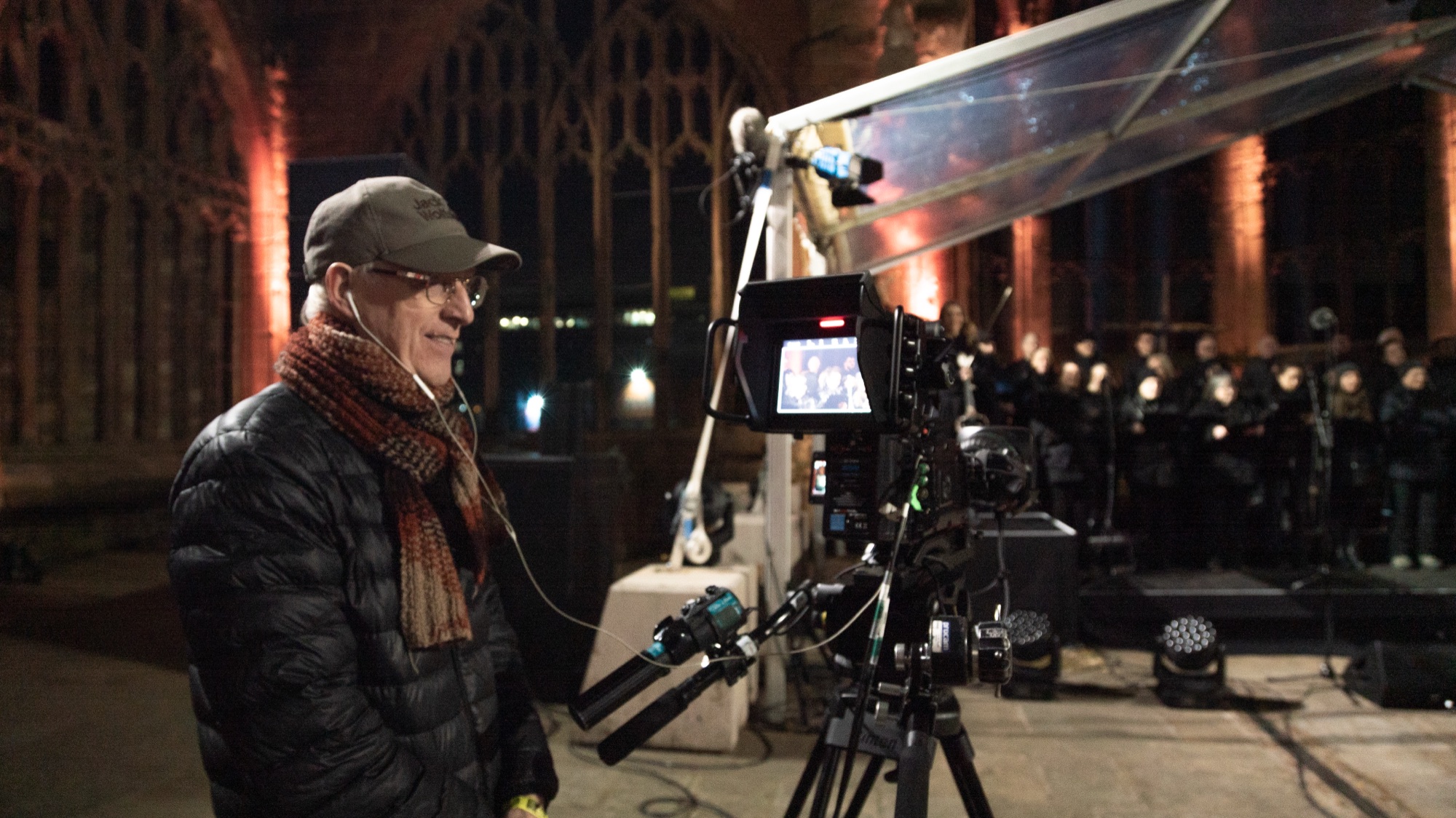
The team designed one flexible system that changed location with the story. Twelve planned camera positions gave director Rhodri Huw and camera supervisor Tony Freeman the coverage they needed while keeping the physical move achievable.
Producer Jay Rozanski coordinated the workflow for oXyFire Media, balancing the creative ambition with the realities of a protected historic site. Every route, cable and camera move had a purpose, and the audience experience always came first.
Low light that preserved the atmosphere
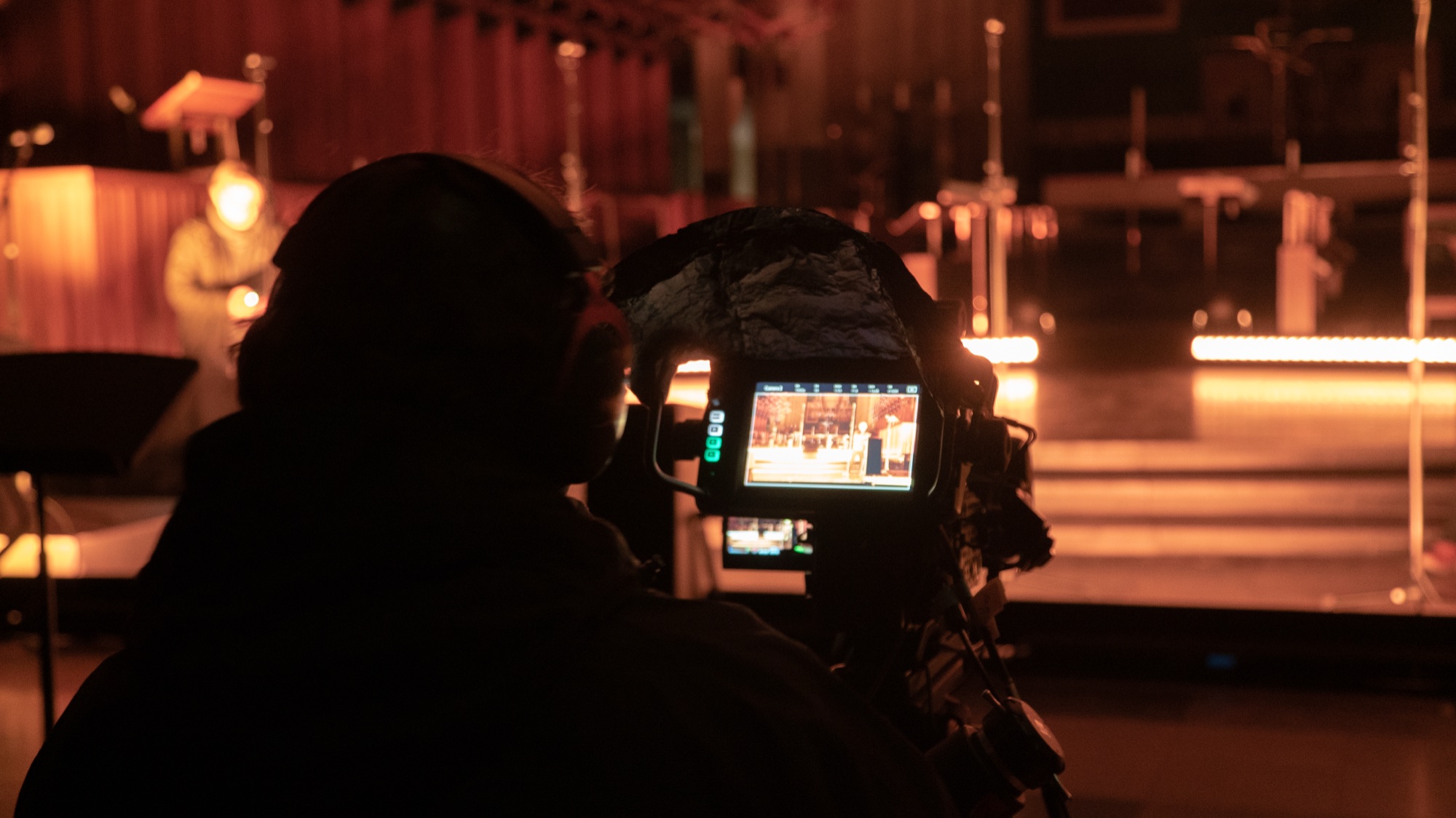
Much of the performance took place in extremely low light. The pictures needed to retain the mood created by the lighting and projections while also meeting the technical standards required for a BBC broadcast.
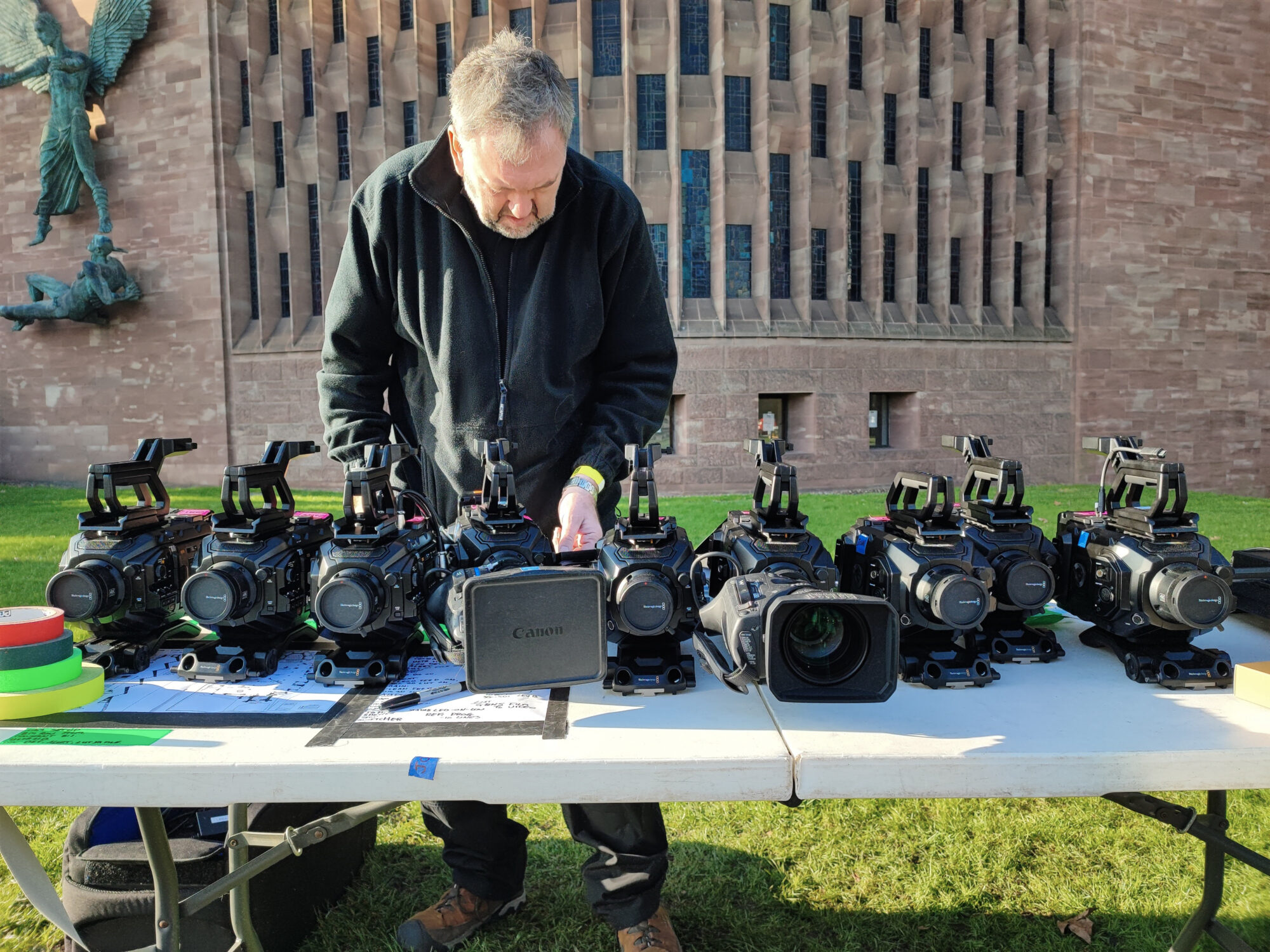
Blackmagic URSA Broadcast G2 cameras with Canon CJ lenses formed the core of the system. Their low light performance helped the team protect the shadows, colour and projected imagery while maintaining consistent pictures across both spaces.
Many parts of the show were almost in pitch black, so a camera with good low light capabilities was vital.
Jay Rozanski, Producer, oXyFire Media
A control system that changed with the location
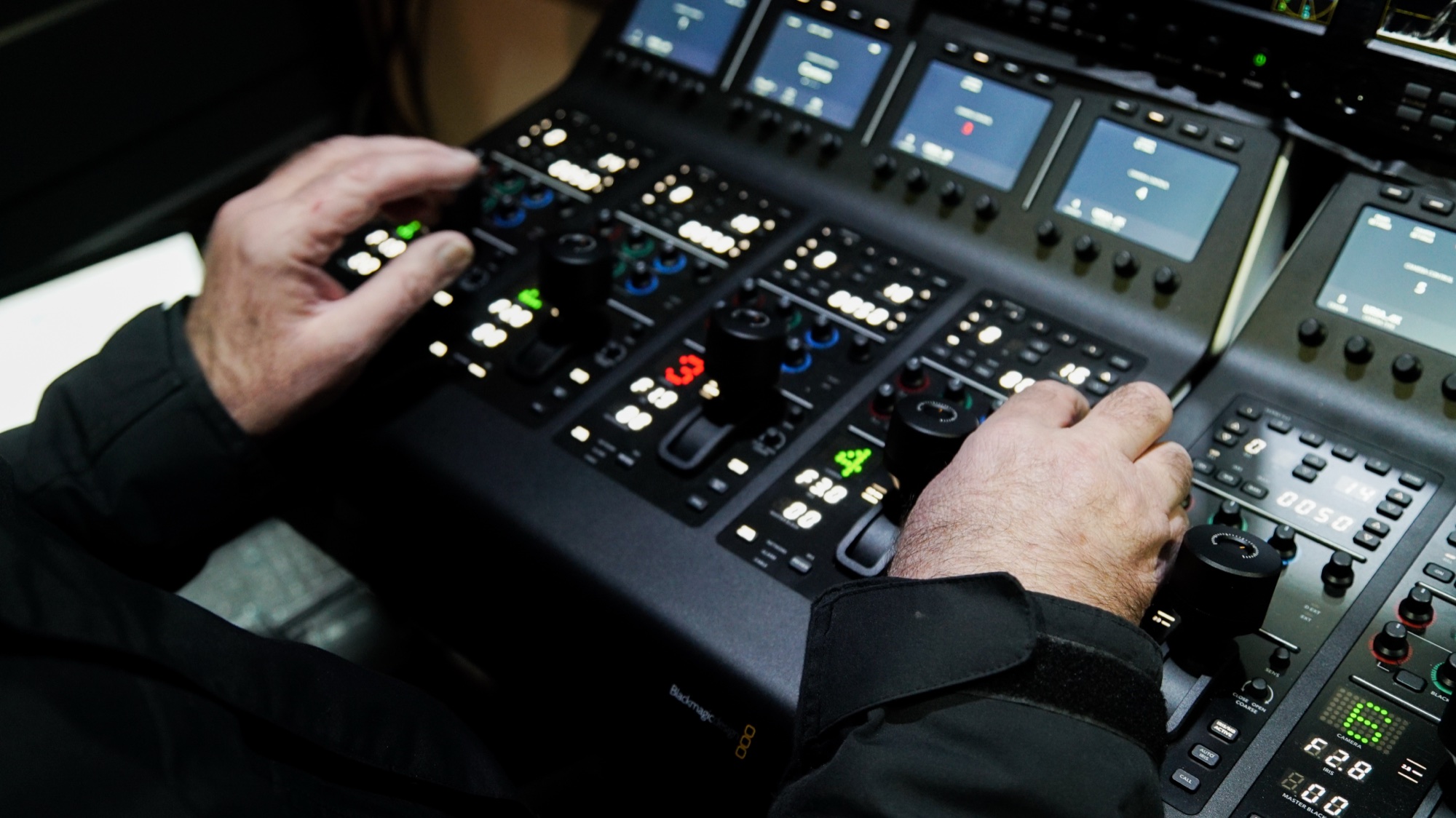
An ATEM Constellation 8K acted as the central production switcher, supported by a Smart Videohub and HyperDeck recorders. Timecode kept the camera feeds and audio aligned for the final programme.
The team created separate control profiles for the Cathedral and the ruins. When the performance moved, the system changed the available inputs, recordings, multiviews and control buttons so the director only saw the cameras needed for that location.
This reduced complexity when the production was under the most pressure. The technical system supported the story and presented the director with only the cameras needed for each location.
The story reached beyond the Cathedral
When the final image left the ruins, the work had travelled from a deeply local setting to a national audience. BBC Four broadcast the programme in May 2022, carrying the voices and stories of Coventry well beyond the Cathedral.
The Ghosts in the Ruins project was nominated in the Specialist Factual category at the Royal Television Society Midlands Awards. The recognition reflected a production that kept the architecture, performers and people of Coventry at the centre of the story. For practical planning advice, read our concert filming and live music production. Explore our GALWAD for Sky Arts for related production work. You can also explore our event video production service.
Frequently asked questions
Could one broadcast crew cover both locations?
Yes. The same core production moved with the performance. Advance planning allowed camera and control resources to be reassigned quickly for each location.
How did the team protect the atmosphere in low light?
Low light capable cameras and carefully chosen lenses retained the shadows, colour and projected imagery that defined the performance. The original lighting design remained intact throughout the broadcast.
What was recorded for the final programme?
Twenty channels were recorded and aligned with timecode, creating more than thirty terabytes of material for the final BBC Four programme.