Concert filming turns a live performance into pictures that work on screen. A complete concert film, venue screen feed and edited highlights each serve a different audience. Our music projects show how we plan coverage and delivery around the performance.
When the house lights are switched off, the first note, the stage and the pictures draw the audience into the performance. For the production team, that apparently effortless moment is the result of careful preparation and a lot of live decisions.
Our music work stretches from filming Down ’n’ Outz at Hammersmith to multi stage festival delivery at Reminisce. In between came Tramlines, New Order’s return to the historic Granada stage and Eliot Kennedy 50th Birthday Bash filling Sheffield City Hall with friends and collaborators for a hometown charity concert.
The technology expanded from concert film coverage to broadcaster links, social streams, full IMAG, designed graphics and artist playback. The purpose remained warmer and simpler: respect the performance and help every audience feel closer to it.
Down ’n’ Outz: producing a concert film
We filmed Down ’n’ Outz at Hammersmith on 6 October 2009. Lee Ford produced and directed for us, and we led the editing route that supported the final 2011 release.
A concert film must create a screen experience from a performance designed for the room. Camera positions need to preserve stage geography while offering enough intimacy to reveal musicianship and personality. Direction needs to anticipate changes in the song and move with the performance.
The project established an early foundation in music storytelling: understand the performance, plan the coverage and shape the material into an enduring release.
Tramlines: music in the context of a city
The 2012 Tramlines film widened the frame from a single concert to a city festival. Performance sat at the centre, and the story also drew on streets, venues, audiences and the character of Sheffield.
Festival highlights require editorial judgement in the field. A crew cannot film everything. It needs to recognise which moments communicate the identity of the event and collect enough visual continuity for the edit.
That experience remains useful even when the output becomes live. Knowing how audiences move, where atmosphere develops and which details establish place helps a production team build a more representative programme.
New Order at MIF17: delivery within a larger show
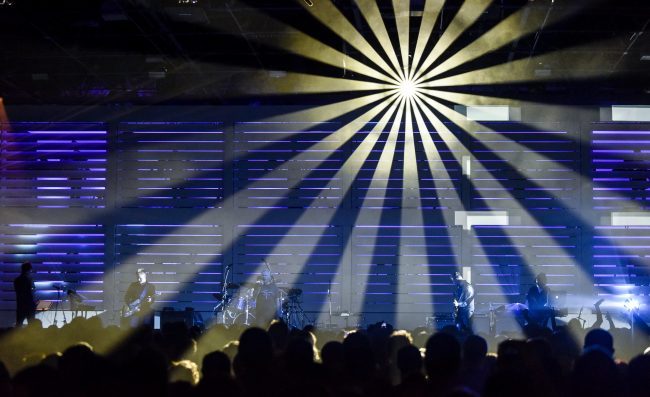
New Order + Liam Gillick: So it goes.. returned the band to a stage loaded with Manchester music history: Joy Division had made its television debut there almost 39 years earlier. For audiences of around 1,200 a night, the band rebuilt material from across its catalogue with Liam Gillick’s responsive visual environment, Joe Duddell’s orchestrations and a 12 person synthesiser ensemble from the Royal Northern College of Music.
Lion Eyes produced the show. We worked within that wider team to satellite link one performance to the BBC and provide live outputs to the Manchester International Festival and New Order Facebook pages.
The production boundary is important. Large music events involve creative, stage, sound, lighting, broadcast and distribution partners. Professional delivery depends on each team understanding the part it owns.
Our role was the link between the finished programme and its broadcast and online destinations. The New Order Facebook output and associated social channels reached 1.3 million unique viewers, giving that delivery role a clear audience result. The project demonstrates the ability to enter a complex production, collaborate effectively and take responsibility for a critical delivery layer.
Eliot Kennedy’s 50th: full IMAG for a charity concert
Eliot Kennedy chose to celebrate his 50th birthday in his home city by filling Sheffield City Hall with friends and artists he had worked with, using the night to raise money for Challenge Derbyshire. The concert on 29 March 2019 brought together performers including Gary Barlow, Alfie Boe, S Club 7, Kenny Thomas, John Reilly, John Parr and Charlotte Hannah.
We delivered the full IMAG production: live cameras, content playback, graphics design and build, and live graphics playout. The screens in the venue needed to support the audience’s view of the performance while playback and graphics carried the visual identity of the event.
IMAG is a live editorial product. The director must choose pictures that complement the audience’s direct view and respond to the scale of the venue. Graphics and playback must enter at the correct moment without distracting from the artists.
The project demonstrates our ability to combine live camera direction with the designed content surrounding a music event.
Reminisce: from a show to a multi stage system
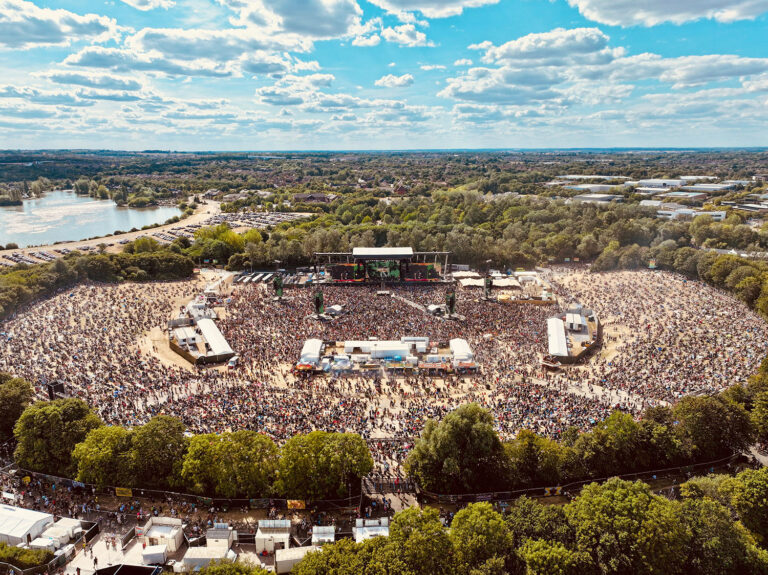
Reminisce Festival developed into a broader technical lead relationship. Our responsibilities include broadcast direction, camera systems, live switching and distribution, LED wall management, artist content and coordination across stages.
Multi stage music production magnifies every dependency. Content needs to reach the correct screen. Camera teams must understand the performance schedule. Stage changes affect playback, lighting, sound and live visuals. Technical leads need an overview of the site while responding to immediate decisions.
An ongoing relationship allows the system to improve across editions. Crew knowledge, signal routes and content handling become more repeatable, while the production remains responsive to a new programme.
What changes when the audience is in several places?
A modern music production may serve an audience in the venue, people watching stage screens, viewers on social platforms, a broadcaster and people encountering highlights later.
Those audiences benefit from programmes designed for their context. IMAG helps people see within the venue. A social stream may need different pacing, context and audio. A broadcaster link must meet a defined technical handover. Highlights need enough coverage and clean sound to work after the event.
The production plan should define each destination early. Shared camera and audio sources can create efficiency; the final outputs still need to serve their own audience.
This principle is visible from New Order’s separate broadcaster and Facebook routes to the dedicated online programme produced for larger festivals.
Technology supports the performance
Live music production can easily become described as a list of cameras, screens and formats. The point is what those systems let the audience experience.
The purpose of camera coverage is to reveal performance. The purpose of IMAG is to connect a large room with the stage. The purpose of graphics and playback is to support identity and information. The purpose of streaming is to give another audience meaningful access.
Our decade of work demonstrates several layers of that responsibility: concert film production, festival highlights, satellite and social delivery, full IMAG, content playback, graphics and multi stage technical leadership.
Experience that helps artists and organisers
Experienced music production teams understand that the best technical outcome feels effortless to the audience. Pictures arrive when expected, screens support the stage, content plays correctly and remote viewers remain connected.
Every show required a different system. Across these projects, we selected and owned the right part of the workflow, from a single concert film to a multi stage festival operation.
For organisers, producers and artists, the useful early questions are about the audience, destinations, creative intent, content requirements and partner boundaries. Once those are clear, the technical design can serve the music.
The audience numbers and client reactions give that work a human scale. After the Eliot Kennedy charity concert, Eliot’s own response to the show content was wonderfully direct: “Love it all brilliant.” Both moments reflect the same goal: helping a performance travel beyond the stage while carrying its energy intact.
Our live streaming service covers delivery to remote viewers. If your brief includes several stages and venue screens, see our Reminisce Festival work.
Planning a concert filming brief
Decide whether you need a complete performance recording, selected songs, live venue screens or promotional edits. Share the set list, stage plan, lighting arrangements and sound recording options.
Agree rehearsal access, camera positions and the intended use of the footage with the artist and venue teams. Those decisions shape both the filming and the edit.
Explore our event video production service or talk to us about your production.