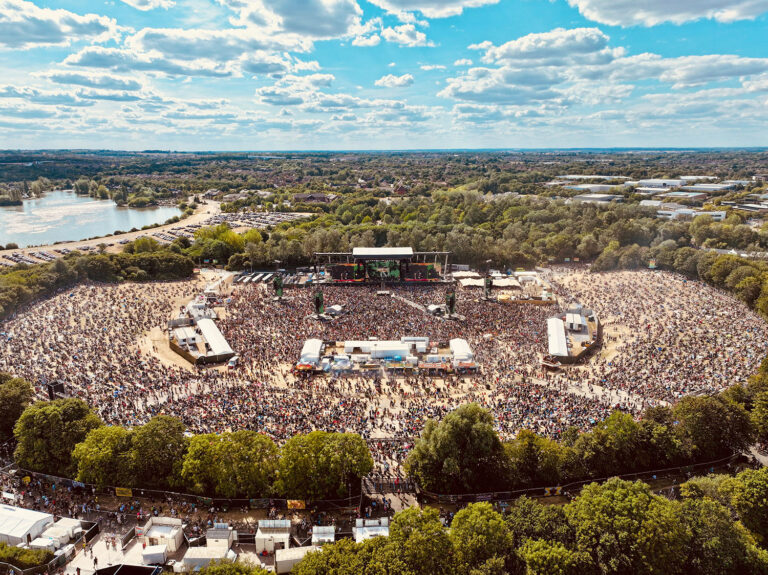
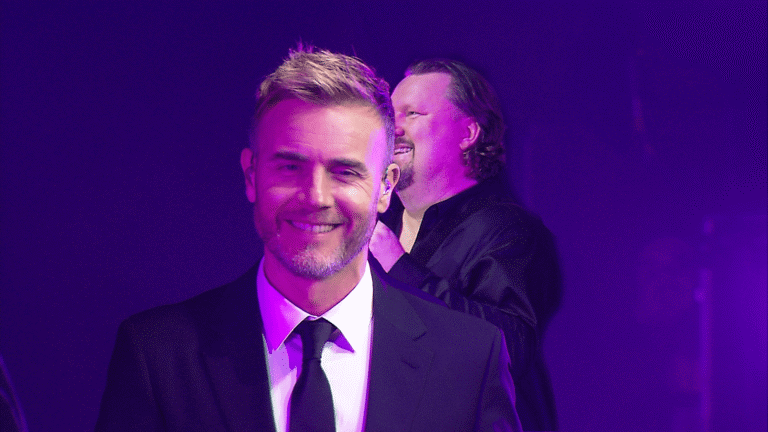
Boxing live streaming production brings the fight, commentary and atmosphere into one programme. For boxing and MMA promoters, the brief should cover the venue audience, online destination and footage needed after the event. Our VIP Boxing and Tankō experience shows how that format can develop.
The bell rings, the fighters step forward and nobody on the production team gets a second take. The camera operators have to read the movement, the director has to choose the right picture and the sound, graphics and distribution all have to keep pace with a contest that can change in a second.
Boxing and MMA share that production pressure. Each sport has its own rhythms, rules and audience expectations. Our experience across VIP Boxing Promotions and Tankō Fighting Championships shows how a broadcast format can develop through real events, honest mistakes, trusted relationships and a clear commercial objective: reach people online and give them a reason to be in the room next time.
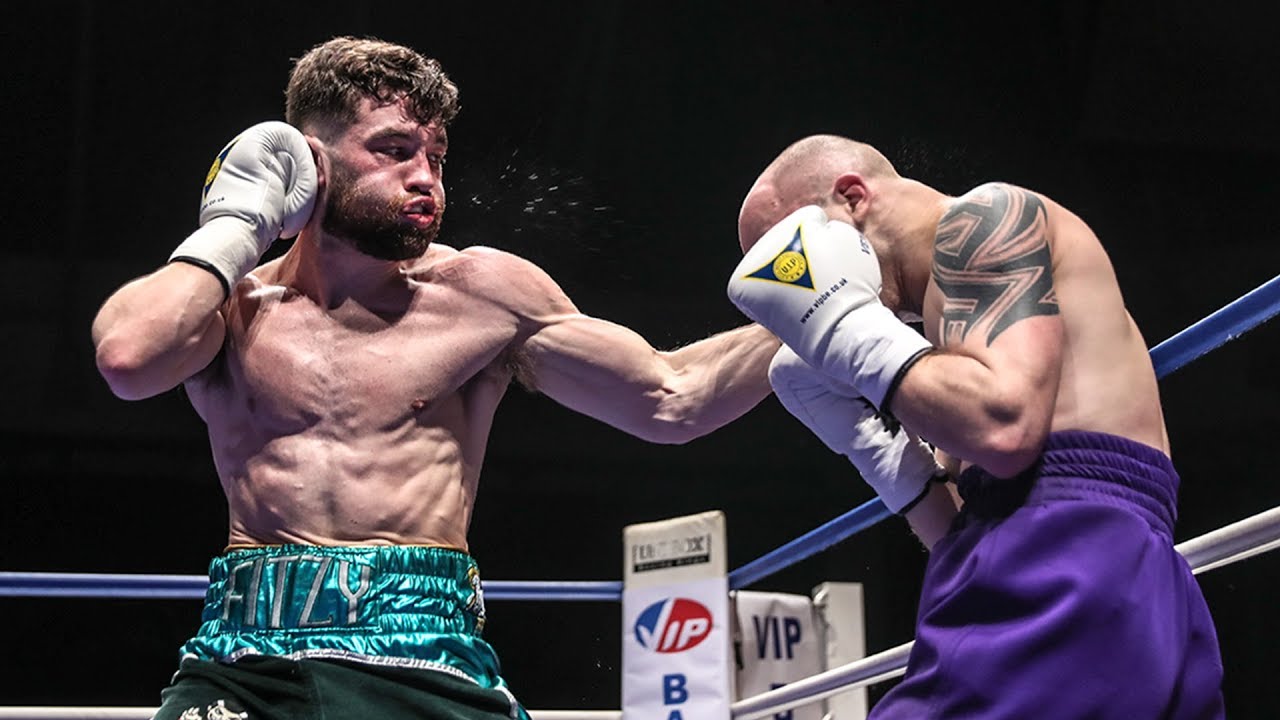
VIP Boxing came first
Our relationship with VIP Boxing began when we stepped in to help with an online stream. The stream delivered pictures and silence. It was an uncomfortable first lesson and a useful one. Live sport exposes weaknesses immediately. We used that experience to strengthen the next show.
Steve Wood and the VIP team gave us the space to solve the problem. That trust became the foundation of a relationship lasting almost a decade. With each event we improved the cameras, direction, graphics, replay, audio, streaming and the way the programme carried the identity of VIP Boxing.
The format became VIPboxingLIVE: a recognisable multi camera programme that supporters could return to. Consistency mattered. Viewers knew where to find the coverage, the promoter had a growing library of branded content and our team could carry what we learned at one show into the next.
When online viewers become future ticket buyers
With VIP Boxing, regular online coverage gave supporters another way to follow the fighters and promotion. We used the client’s feedback alongside viewing figures to understand how the programme was supporting the live event.
After the regular coverage moved onto Facebook Live, the online audience grew from nothing to more than three million video views in a year. Steve told us that tickets were selling faster, shows were selling out more regularly and the online presence was making people want to attend the next event.
That is the commercial value at the heart of this story. The stream strengthened the promotion’s relationship with its audience. Online reach created discovery and familiarity; a busy venue supplied atmosphere, credibility and the feeling that the next show was something worth joining.
A long running relationship became our test bench
VIP Boxing was also a client relationship in which we could test ideas responsibly. The team was open to development, provided we protected the programme and delivered the event. That gave us a valuable real world environment for research and development.
Our portable Box Solution grew through that work. We developed paired server redundancy, live graphics, social media integration, slow motion replay and separate audio outputs for different programme destinations. Every improvement had to prove its value on genuine fight nights, under live production pressure.
That process changed how we approach repeat production. We develop technology around the needs of the programme. Each addition earns its place by making the production more dependable, easier to operate or more useful after the event.
From the first stream to live television
The most satisfying milestone came at Doncaster Racecourse. We delivered a complete live television programme for SportyStuffTV, carried on Sky, Freesat, Freeview and online. Roman Fury made his professional debut, with Tyson Fury and Tommy Fury at ringside.
The scale had changed considerably since that first imperfect stream. The production now brought together the live fight coverage, programme direction, sound, graphics, replay, recording and television delivery expected of a national broadcast.
Afterwards, SportyStuffTV chairman and chief executive Kevan Moretti described it as “a really good and compelling watch”. For us, the importance of that moment was the journey behind it: a promoter and production team learning together until the online format had become a credible live television programme.
Tankō brought a different sport and a different rhythm
Tankō Fighting Championships came later and asked us to apply the same live production discipline to MMA. The underlying demands were familiar: multiple cameras, decisive direction, reliable sound, accurate graphics and a programme capable of serving people outside the venue; the editorial rhythm was different.
An MMA production has to understand the cage, the routes fighters take into it, the positions from which action can be seen clearly and the way a contest can move between striking and groundwork. The cage needs its own camera plan, built around those movements, sightlines and positions.
We produced all three Tankō shows. The series demonstrated how one production team can retain a consistent technical foundation and adapt the editorial approach and distribution route for each event.
All three Tankō shows were broadcast on SPORTbible
We produced all three Tankō broadcasts for SPORTbible’s social channels. Each event combined multi camera MMA coverage, live direction, graphics, sound and online delivery for SPORTbible’s Facebook audience. The first took place at Victoria Warehouse and established the five camera format we developed across the series.
SPORTbible reported more than 450,000 stream views by the end of the night, giving Tankō a substantial audience for its first event. The reaction matched the reach. Darren Lamb, Tankō’s Executive Producer, described the feedback from fighters and the public as “phenomenal” and made clear how pleased the team was with the production. For a new championship making its broadcast debut, that was a powerful result: the programme had landed with the people inside the sport as well as the audience watching it.
The second show was again broadcast on SPORTbible. We also created an as live television master, shooting and cutting the programme in real time at the venue before refining it with graphics and other finishing work in post for television transmission.
The complete third show was broadcast live on SPORTbible’s Facebook channel. That’s TV Manchester subsequently asked to use a selection of TFC3 footage across its broadcast, web, social media and on demand platforms.
What boxing and MMA production share
Both sports need a production team that can make decisions in real time as the event unfolds. Camera operators require clear positions and responsibilities. The director needs dependable access to every source. Graphics must reflect the correct fighter, round and result. Sound has to combine commentary, presentation, crowd atmosphere and the impact of the contest.
Both sports also need a workflow that serves more than one audience. The venue may require screens and presentation feeds; online and television viewers need a coherent programme. Those outputs can share cameras and graphics. Each audience still receives an output designed for its experience.
Preparation makes that possible. Fight cards change, bouts run short or long and a live programme can move from a burst of action into an unexpected pause. A repeatable system gives the team enough structure to respond and keeps the broadcast natural.
What has to change between the two sports
Boxing and MMA demand distinct production approaches. Their contest areas, officiating, pacing and visual language create different editorial choices. The production team needs to understand each sport well enough to anticipate those choices and capture the moment as it happens.
Boxing coverage often builds around the geometry of the ring, the corners, the exchanges between fighters and the rhythm between rounds. MMA adds the visual challenge of the cage and the need to maintain a useful view when the action moves quickly from standing exchanges to grappling on the canvas.
The audience also brings different expectations. A successful production respects those expectations and applies the essential oXyFire disciplines consistently: preparation, communication, resilient systems, clear pictures, intelligible sound and decisive live direction.
The valuable result: reach online and people through the doors
A broadcast continues working after the final bell. Full programmes, highlights and individual moments help supporters discover fighters, follow a promotion and share the story of an event. Consistent branding makes that archive recognisable and gives the promoter material for the next sales cycle.
The strongest proof from VIP Boxing was the relationship between online attention and physical attendance. More than three million views mattered, and so did the client’s report that tickets were selling faster and sell outs were becoming more regular. Online audience and people through the doors were strengthening one another.
Tankō demonstrated a related value at the beginning of a new promotion. A professionally produced event could move beyond the venue through a major social sports publisher, be adapted for television and create footage valuable enough for other broadcasters to request later.
Build the programme for the promoter’s next event
The most useful early conversation with a boxing or MMA promoter covers the whole audience journey: what people in the venue need, what viewers at home need, where the programme must go, which assets should remain useful afterwards and how the format will help build anticipation for the next event.
That is what these relationships taught us. We produce the programme in front of us, and we design the workflow with the next event in mind. The best result is a broadcast that feels immediate on the night and continues creating value once the venue lights have gone down.
For the online viewing route, explore our live streaming services. For recordings and edited highlights, see event video production.
Briefing a boxing or MMA broadcast
Start with the fight card, venue plan, running order and distribution destination. Agree commentary, fighter graphics, replay, music use and the footage required afterwards.
Camera positions need to suit the ring or cage, with room for officials, photographers and the venue audience. Confirm the approved rights and delivery arrangements with the relevant partners before transmission.
Explore our outside broadcast services or talk to us about your production.