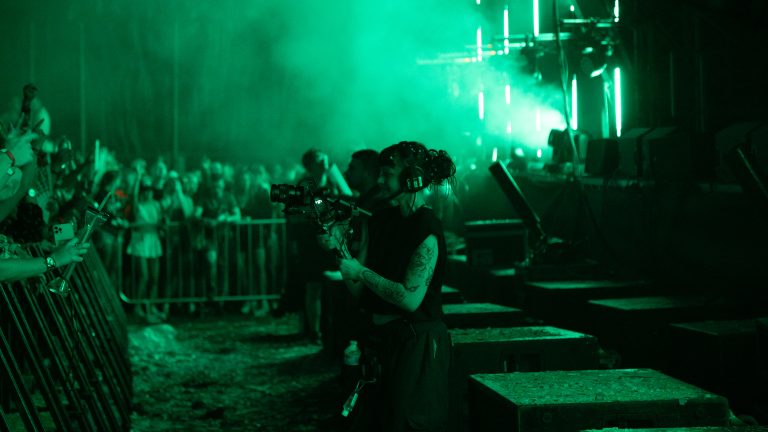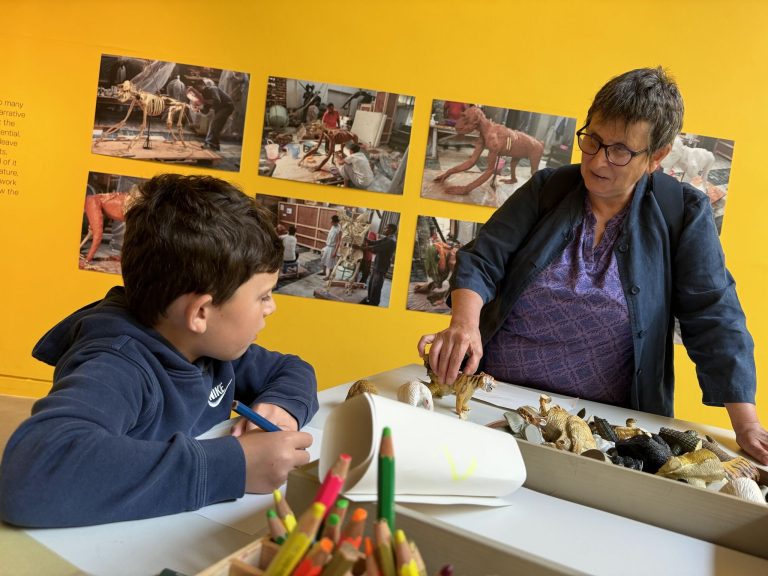
Engineering video production gives buyers a clear view of your people, processes and capabilities. We combine expert interviews with working demonstrations and relevant graphics so technical detail has a purpose in the story.
On a factory floor, expertise is visible in small things: the way an operator checks a result, the confidence with which an engineer explains a process and the care taken before a component leaves the building. Those moments often say more about a company than a page of technical claims.
The challenge is to give people a clear way into the engineering detail. A viewer needs to understand who is solving the problem, why it matters and what changes when the engineering works.
Our films for E.E. Ingleton, Turbine Efficiency and Nebula Systems’ Mech5 took three different routes through that challenge. Interviews supplied knowledge and personality; real processes supplied proof; graphics and demonstrations made hidden processes understandable.
E.E. Ingleton: explaining capability through people and process
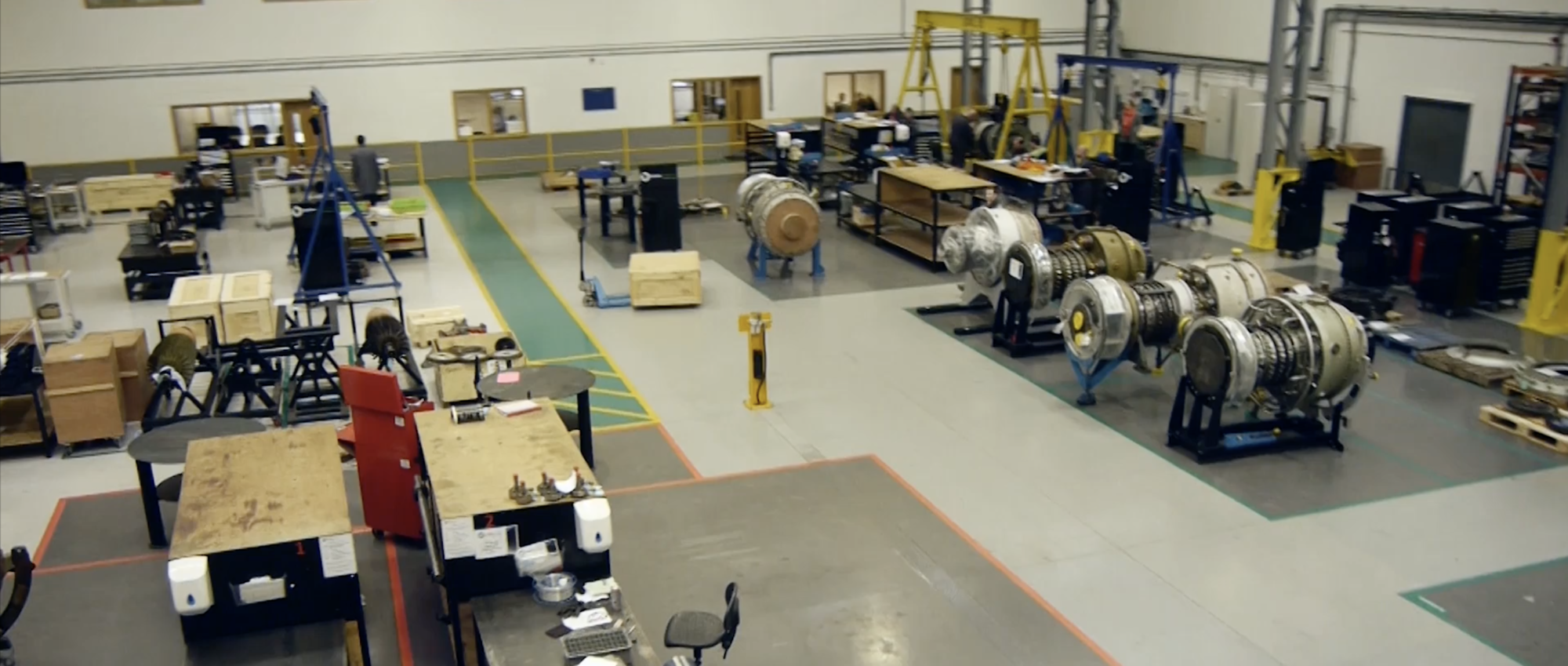
E.E. Ingleton is a Sheffield engineering business with a long manufacturing history. The film needed to communicate more than a list of machinery. It had to show the knowledge, quality and working relationships behind the company’s output.
The production developed through 2014 using scripts, storyboards, shot lists and two filming days. Interviews provided the narrative spine, supported by carefully planned coverage of people, processes and the manufacturing environment.
This approach matters because industrial capability is easiest to trust when viewers can see it in context. A machine shot demonstrates equipment. A sequence showing an experienced person using it, checking the result and explaining why the process matters demonstrates capability.
The planning also created a shared reference for client and production team. Scripts established the message, storyboards anticipated the visual treatment and callsheets organised the access required on filming days. That gave everyone a clear route from initial concept to delivered film.
Turbine Efficiency: giving a corporate story a practical purpose
Turbine Efficiency required an “Our Story” film that could introduce the business and open sales conversations. The production combined interviews, operational footage, animated graphics and aerial material.
The interviews gave the company a human voice. Graphics helped explain information that would be difficult to show directly. Drone footage established scale and context. Together, these elements allowed the film to move between people, engineering capability and the environments in which the company worked.
The result was designed as an active sales tool with a clear purpose. That purpose shaped the production. The film needed to give a potential client enough clarity and confidence to begin a more detailed conversation.
A useful engineering film selects the technical answers most relevant to its audience. It helps people understand the business quickly, recognise relevant expertise and know what to ask next.
Mech5: making cloud diagnostics visible
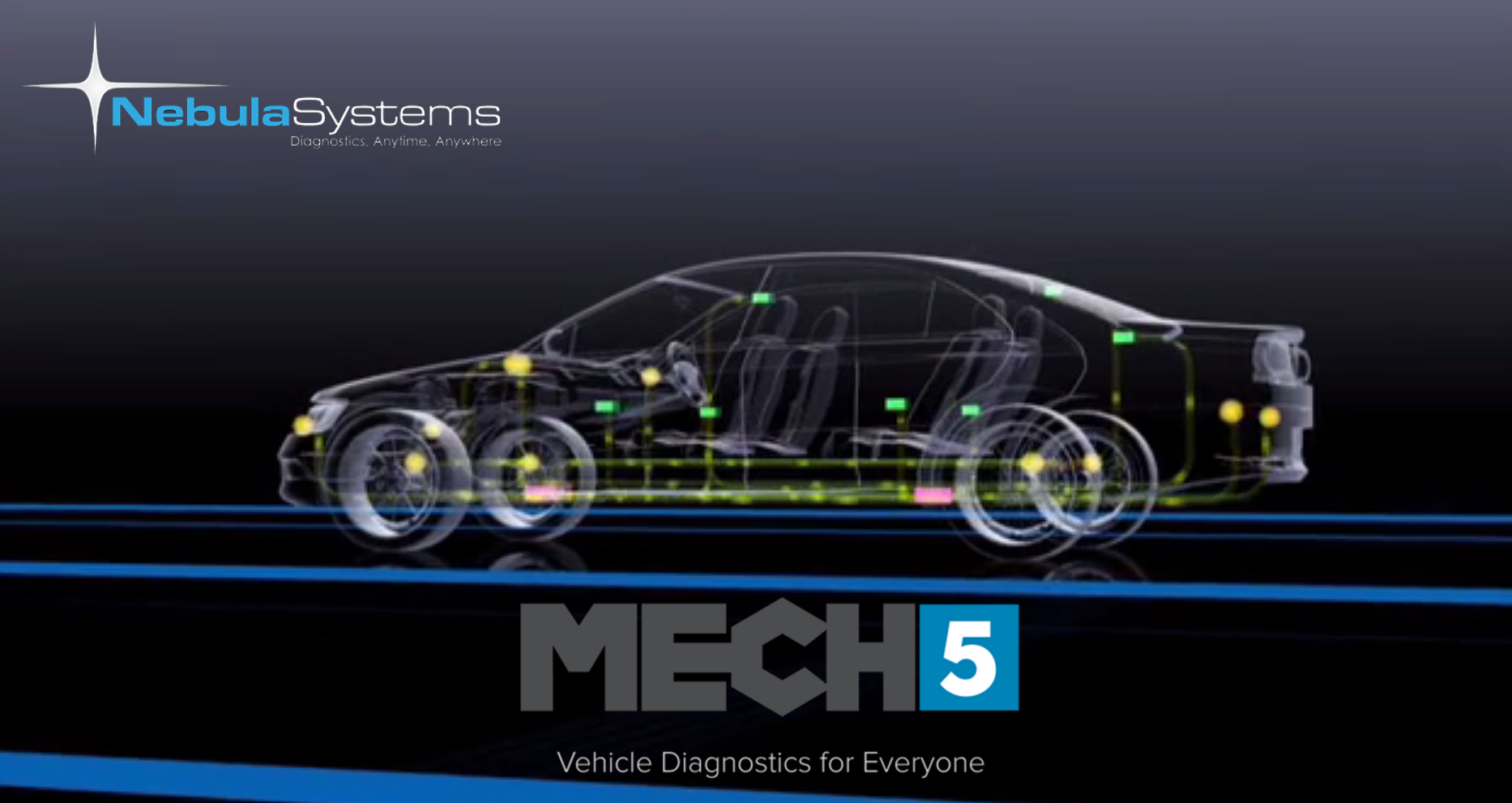
Mech5 by Nebula Systems presented a different communication challenge. The Kickstarter film needed to explain cloud based vehicle diagnostics: a product whose important activity happened partly through hardware and partly through an interface.
Our production combined live action interviews, roleplay, product demonstrations, interface footage and motion graphics. Four expert voices helped establish the team’s credibility and explain the product from complementary perspectives.
Screen material and animation made the invisible process tangible. The viewer could connect the physical diagnostic device with the software experience and the practical use case. Live action then placed that technology in a recognisable human situation.
We used a structured approach: define the story, identify the contributors, plan the visual proof and use post production to connect elements that cannot be filmed as one continuous action.
Why people matter in technical films
People provide context. An engineer can explain why a design decision matters. A customer can describe the problem in everyday terms. A founder can connect the product to a wider ambition. An operator can demonstrate how the process works under real conditions.
Personality strengthens the evidence when both are used together. The strongest engineering stories combine a credible human voice with visible proof. Interviews make the promise. Process footage, product demonstration, graphics and results support it.
The balance also helps different audiences. A technical buyer may look for detail. A senior decision maker may need the commercial significance. A potential recruit may want to understand the culture and working environment. A structured film can give each audience a route into the same story.
Choosing the right visual evidence
Engineering subjects often benefit from several forms of coverage.
Operational footage shows the real environment and gives scale. Close product shots make features readable. Interviews explain decisions and outcomes. Motion graphics reveal internal processes, data flows or comparisons. Aerial footage can place a site within its industrial setting. Screen capture can make software behaviour concrete.
The production should select these tools from the communication problem. Animation is useful when the important action cannot be filmed. It is less useful when a clear real world demonstration would provide stronger proof.
The E.E. Ingleton film leaned on people and manufacturing process. Turbine Efficiency combined interviews, graphics and drone coverage to tell a wider company story. Mech5 used live action and animation to connect hardware, software and use.
Script, shoot and edit as one process
Technical films become weaker when scripting, production and post production are treated as isolated stages. A claim written into the script needs a visual plan. A planned graphic may require a particular interview line or screen recording. A demonstration may reveal a clearer way to explain the feature.
Our script2screen approach keeps those dependencies visible from the beginning. The production team can identify what must be filmed, what must be designed and which facts require client confirmation.
Review also becomes more useful. Feedback can focus on accuracy, clarity and emphasis early enough to strengthen the visual argument before the edit is nearly complete.
Selling expertise without overselling
Engineering audiences notice unsupported claims. Credibility comes from specificity: the actual process, the real people, the verified product behaviour and an honest account of the company’s role.
That is why the three projects work as proof. E.E. Ingleton shows a controlled production built around manufacturing capability. Turbine Efficiency shows how an interview led corporate film can become a sales conversation tool. Mech5 shows live action and motion graphics working together to explain a connected product.
The films sell by making expertise understandable. They allow the audience to see the work, hear from the people responsible and decide why the capability is relevant.
Client reactions reinforce that point. After the E.E. Ingleton film was played back to the group, the production team reported that the client was delighted and described the finished work as a lovely job. That response came from seeing a complex manufacturing story represented clearly, accurately and with pride in the people behind it.
Planning a manufacturing or engineering shoot
Identify the processes the film needs to show and when they will be operating. Agree site access, inductions, protective equipment, restricted areas and any commercially sensitive information before filming.
Choose contributors who can explain the work clearly, and nominate a technical reviewer to check terminology, diagrams and the final edit.
Explore our corporate video production service or talk to us about your production.