LEGO Education StoryStarter: Educational Film Production
We turned LEGO Education and University of Cambridge research into a warm classroom film, combining natural pupil activity, teacher interviews and carefully planned production.
Making educational research clear, credible and human
LEGO Education and the LEGO Foundation needed a film that could communicate University of Cambridge research into playful learning and children’s narrative skills. The story had to preserve the seriousness of the research while showing the confidence, creativity and collaboration developing inside a real classroom.
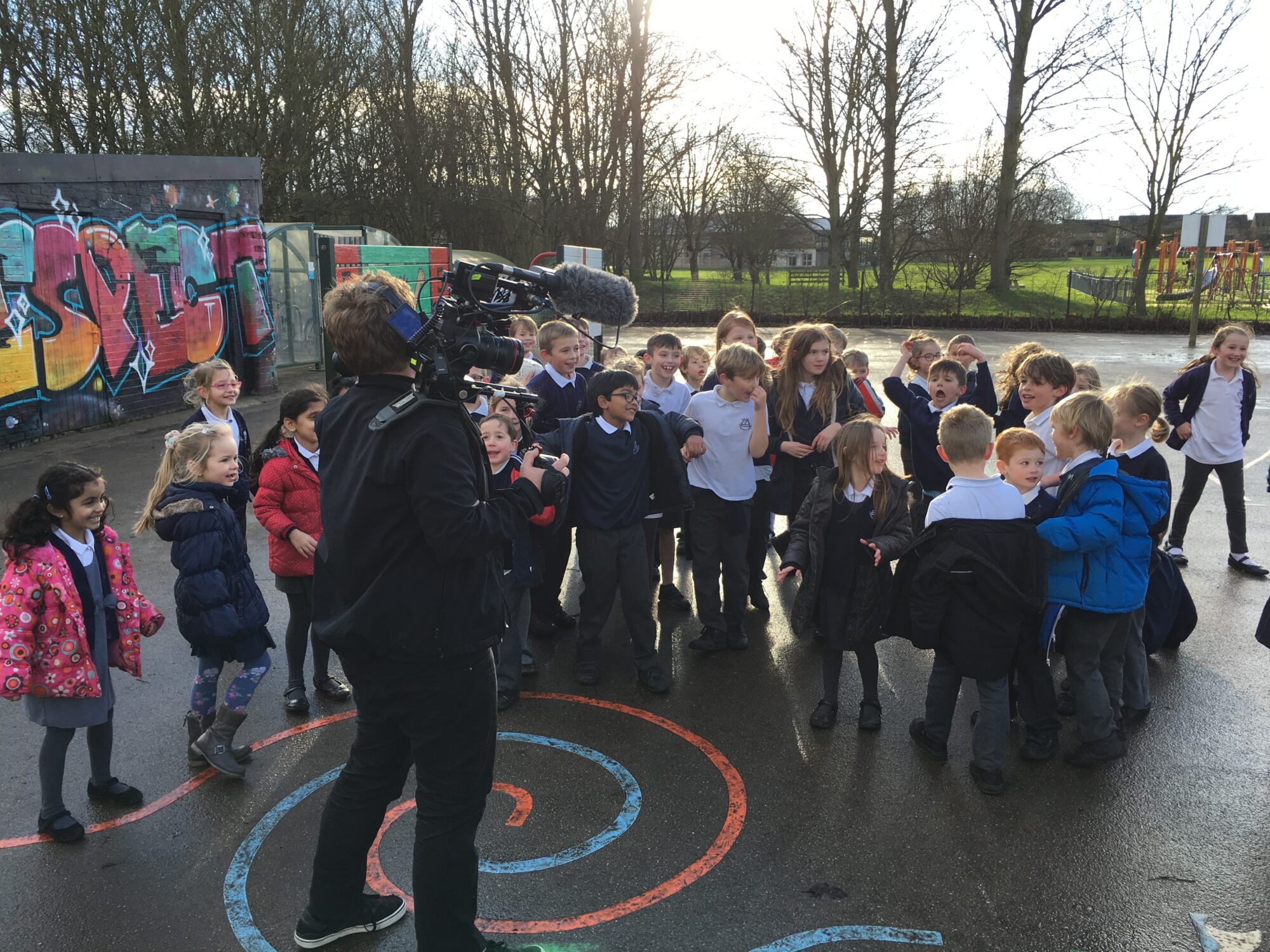
Filming in an active primary-school lesson required a light footprint, careful safeguarding and an editorial plan that could follow spontaneous activity. We needed clear teacher testimony, natural pupil interaction and detailed classroom coverage without interrupting the learning taking place.
A carefully planned classroom film led by real experience
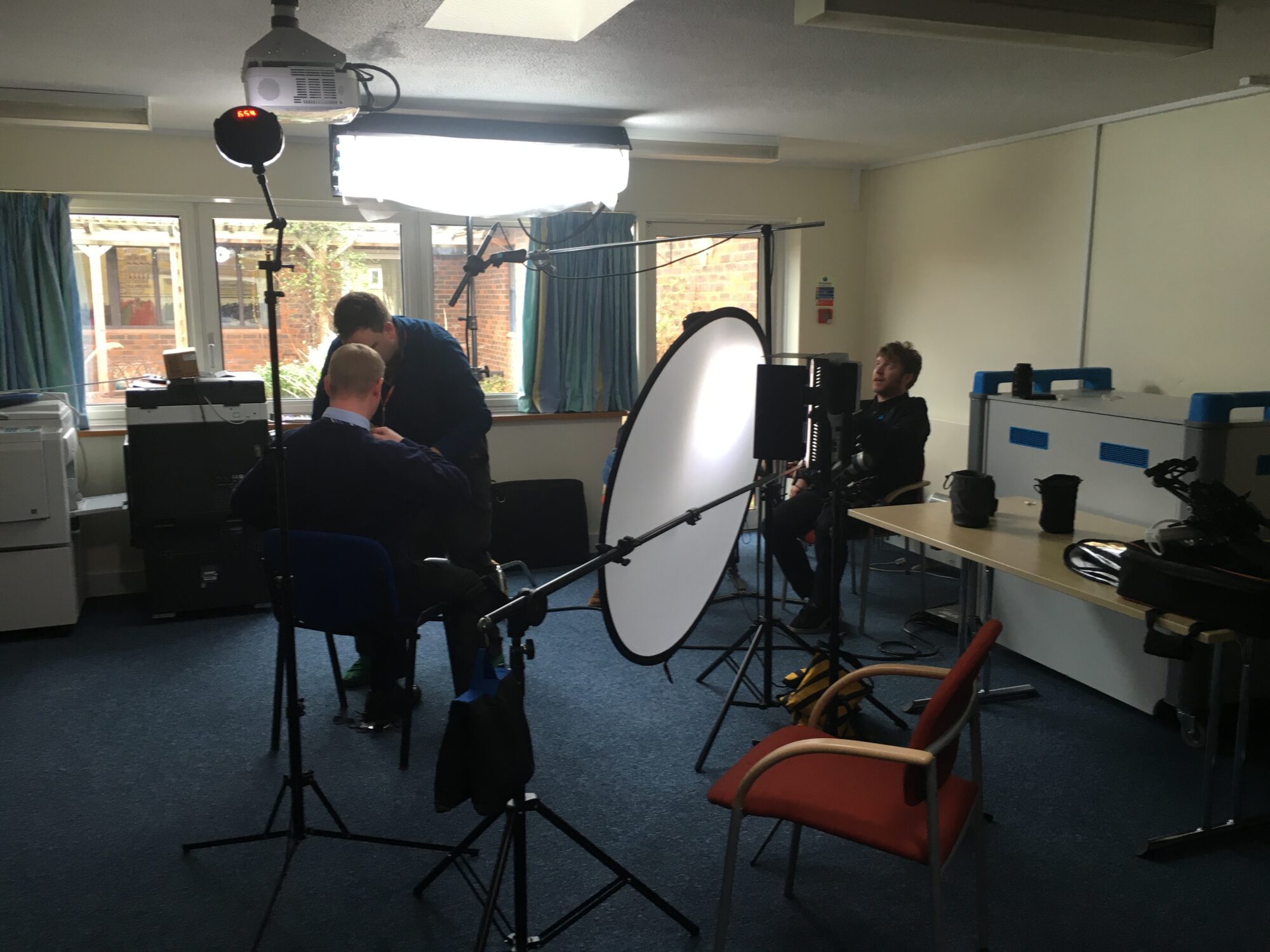
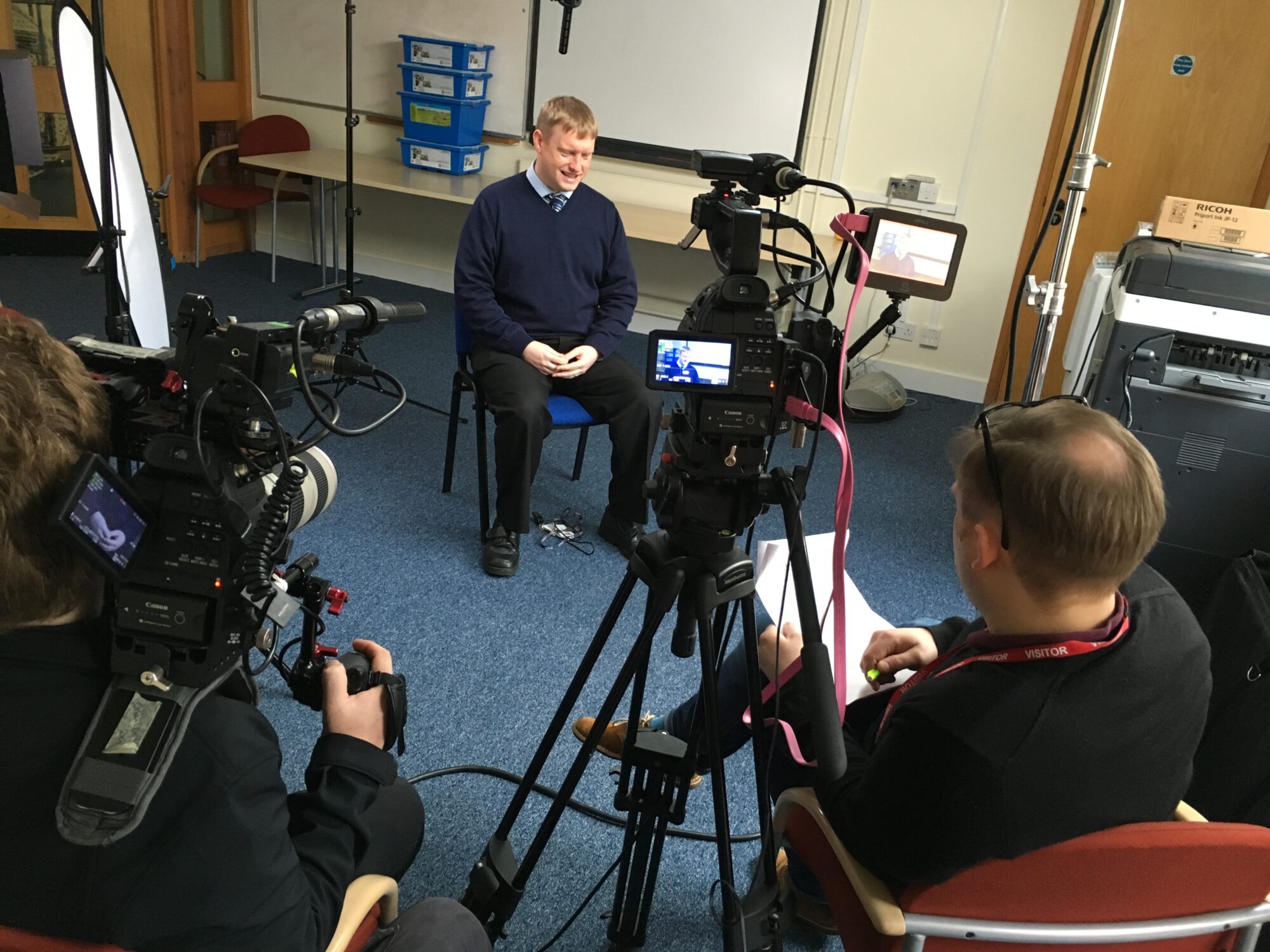
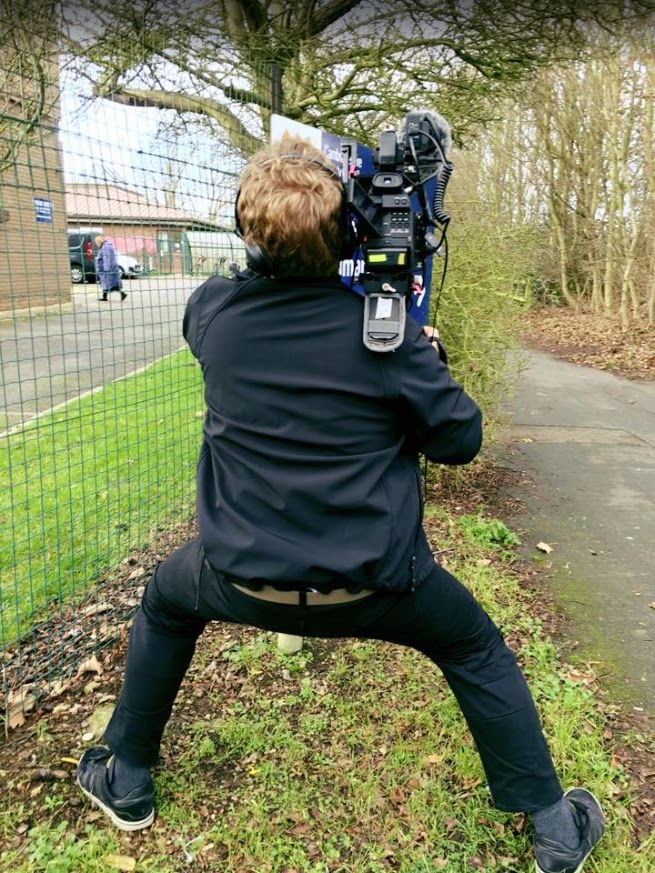
We produced an observational education film at Bar Hill Community Primary School, combining two-camera teacher interviews with classroom activity, dedicated sound, close detail and space for branded graphics. Long lenses helped us capture authentic interaction from a respectful distance while the interview setup gave the edit a calm, authoritative structure.
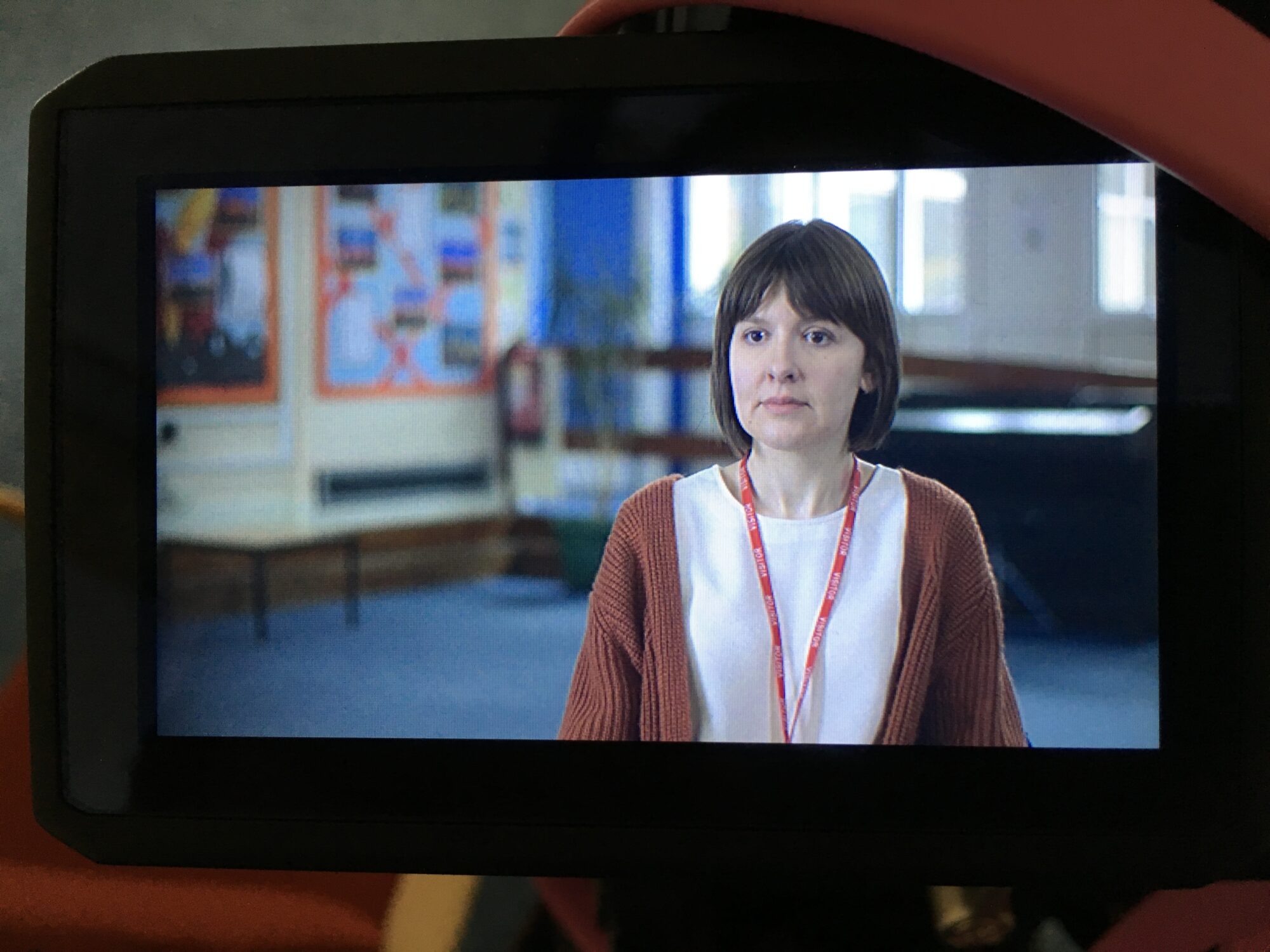
In post-production, we connected the research with the experiences of teachers and pupils through interview selects, classroom cutaways, voiceover, graphics and captions. The completed film made the academic purpose understandable through the people experiencing it, bringing evidence, creativity and personality into one coherent story.
In numbers
Turning educational research into a human story
LEGO Education and the LEGO Foundation had supported a University of Cambridge research project exploring how playful learning could help children develop narrative and writing skills. The work had substance, but its value needed to be seen and heard through the people living it every day.
Working through True North Communications, we produced a research film at Bar Hill Community Primary School in Cambridge. We placed teachers and pupils at the centre of the story, showing how building, talking and writing could work together in a real classroom.
For practical planning advice, read our education video production guide. Explore our Acer Chromebook school films for related production work.
Capturing learning without interrupting it
Classrooms move quickly, especially when children are building, discussing and testing ideas together. We designed a compact production that could capture genuine activity while giving teachers the space to explain what they had observed.
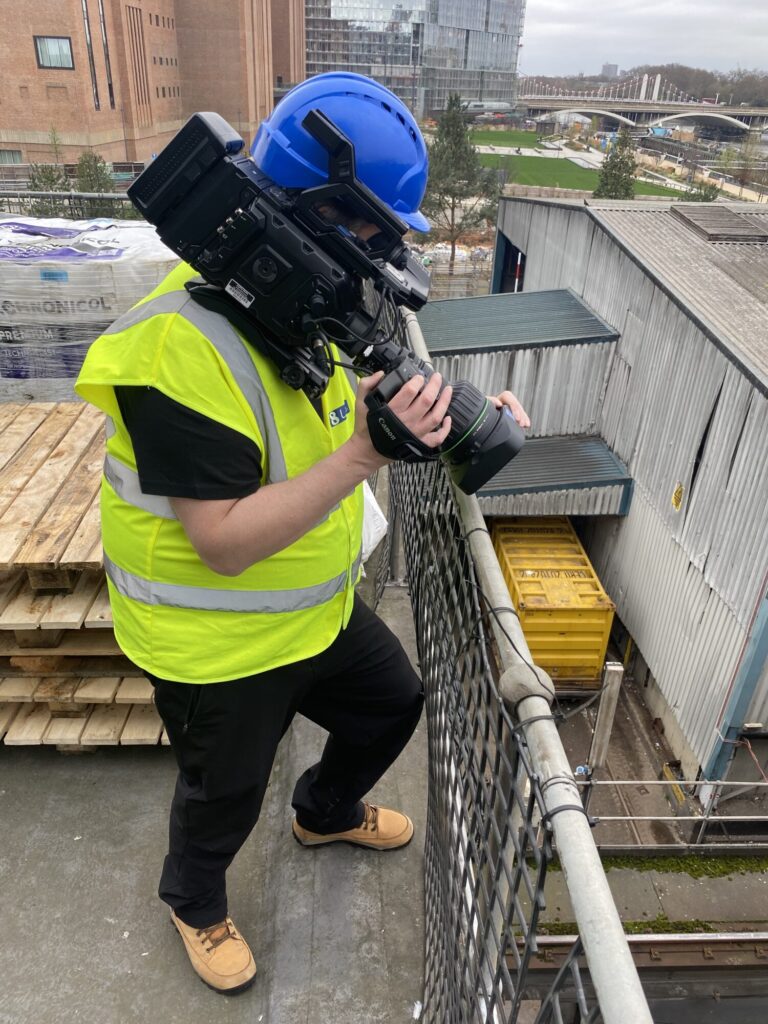
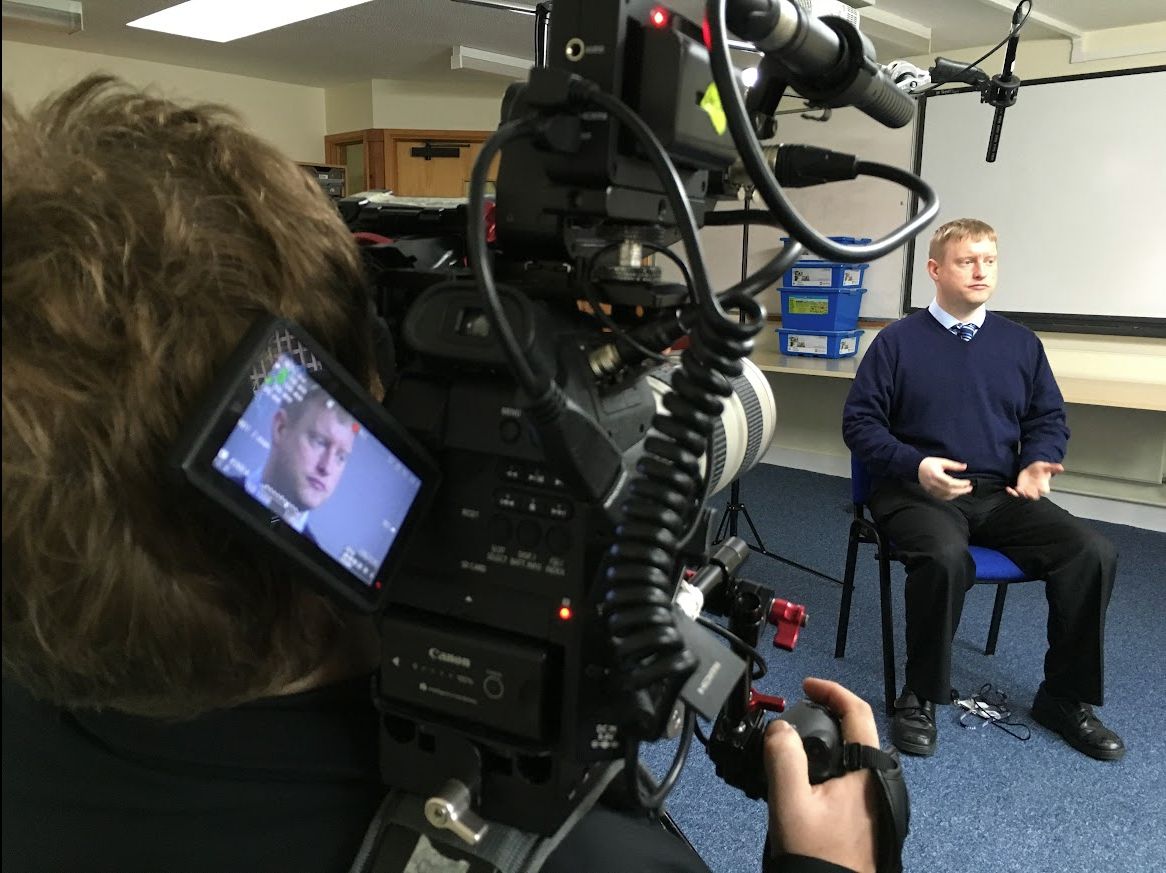
Our crew used two Canon C100 camera kits, external ProRes recording, a slider, long lenses and dedicated sound. Two-camera teacher interviews gave the edit natural changes of perspective. During classroom activity, the longer lenses allowed us to find expressions, hands, LEGO models and moments of collaboration from a respectful distance.
Making literacy tangible on screen
The creative brief gave us a clear editorial idea: make literacy tangible. We followed pupils as they developed stories through physical models, conversation, written work and StoryVisualizer software. This let the film move naturally from play to reflection, then from an idea in a child’s hands to a story they could share.
We looked for detail as well as energy. Close shots of bricks, faces and written work helped viewers understand the learning process without turning the film into a product demonstration. Teacher interviews added evidence and professional perspective, explaining changes in confidence, motivation, collaboration and the quality of pupils’ writing.
A film grounded in a wider research programme
The University of Cambridge Faculty of Education describes the PLaNS project as an investigation into the influence of playful learning on the narrative and writing skills of children aged five to ten. Teachers used LEGO sets throughout an academic year, while researchers assessed writing, oral narrative skills, vocabulary, self-regulation and creativity.
That context shaped our approach. We were filming a serious piece of educational research, but the audience needed to feel the curiosity and confidence taking shape inside the classroom. The completed film brought academic purpose, teacher experience and pupils’ personalities into one accessible story.
The University of Cambridge PLaNS project page provides further detail about the research and its practical resources for teachers.
Educational film production with warmth and evidence
The finished film, Coming up with ideas through play, was published by the LEGO Foundation and credited the LEGO Foundation, the University of Cambridge Centre for Play in Education, Development and Learning, and Bar Hill Community Primary School.
For us, the project is a strong example of educational film production that respects both the evidence and the people behind it. We translated a detailed research story into a concise film led by genuine classroom experience, supported by carefully planned interviews, observational filming, graphics and post production.
Frequently asked questions
What did we produce for LEGO Education?
We produced a research film at Bar Hill Community Primary School showing how playful learning with LEGO StoryStarter could support narrative and writing skills. Our work covered filming, interviews, sound, editorial storytelling, graphics and post production.
How do we film naturally in a working classroom?
We plan a compact crew, use longer lenses and dedicated sound, and work around the rhythm of the lesson. This allows us to capture real interaction while limiting disruption for pupils and teachers.
Can an educational film communicate academic research clearly?
Yes. A clear structure can connect the purpose of the research with the experiences of teachers and learners. Interviews provide evidence and context, while observational filming makes the ideas understandable and memorable.
Have an education story worth sharing?
Talk to us about a research film, classroom case study or education campaign that brings evidence and human experience together.